

Leadership in government service is not only about rank, chair or designation.
It is tested when a decision goes wrong, when a junior makes a mistake, when the system is under pressure and when the easiest option is to shift blame downward.
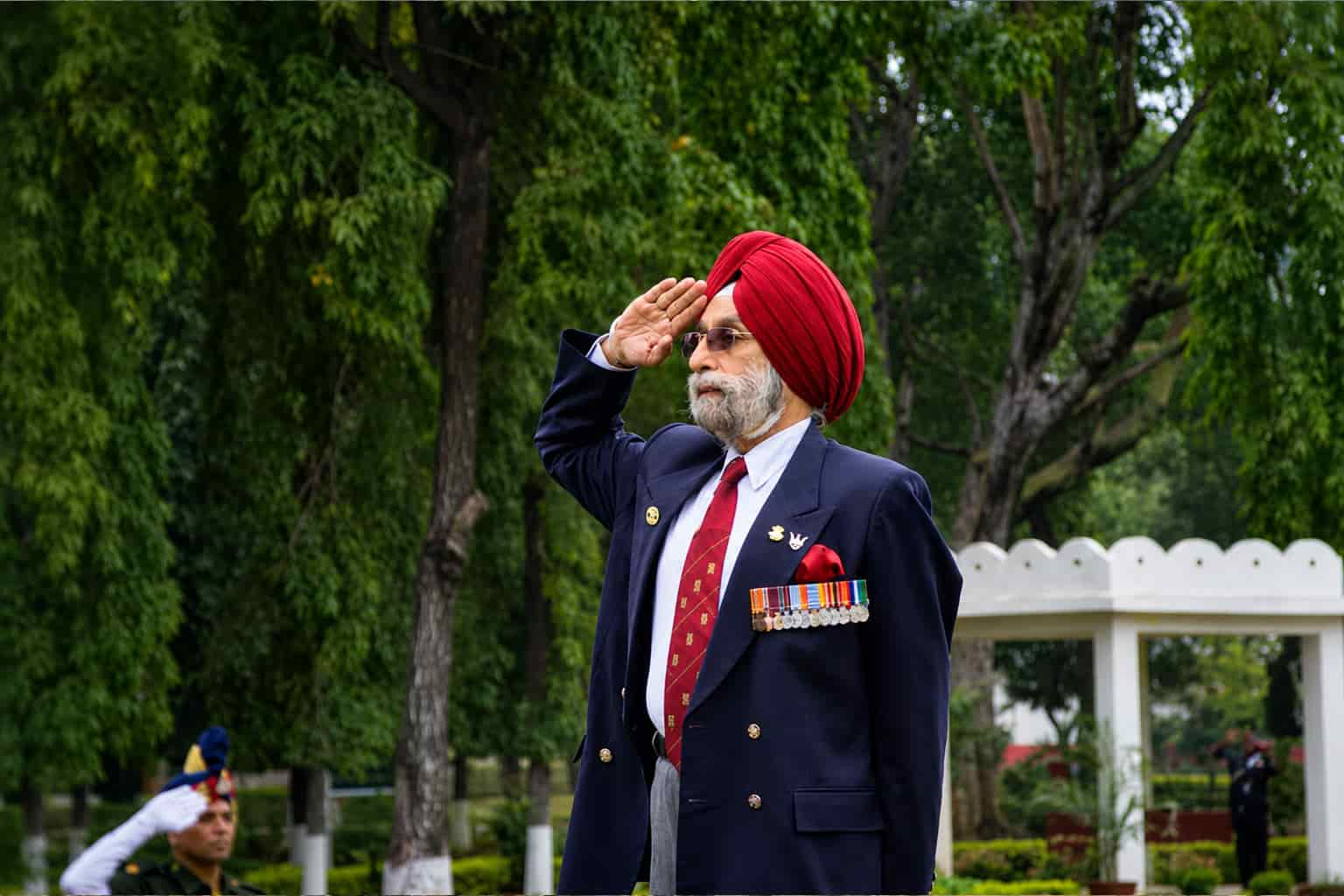
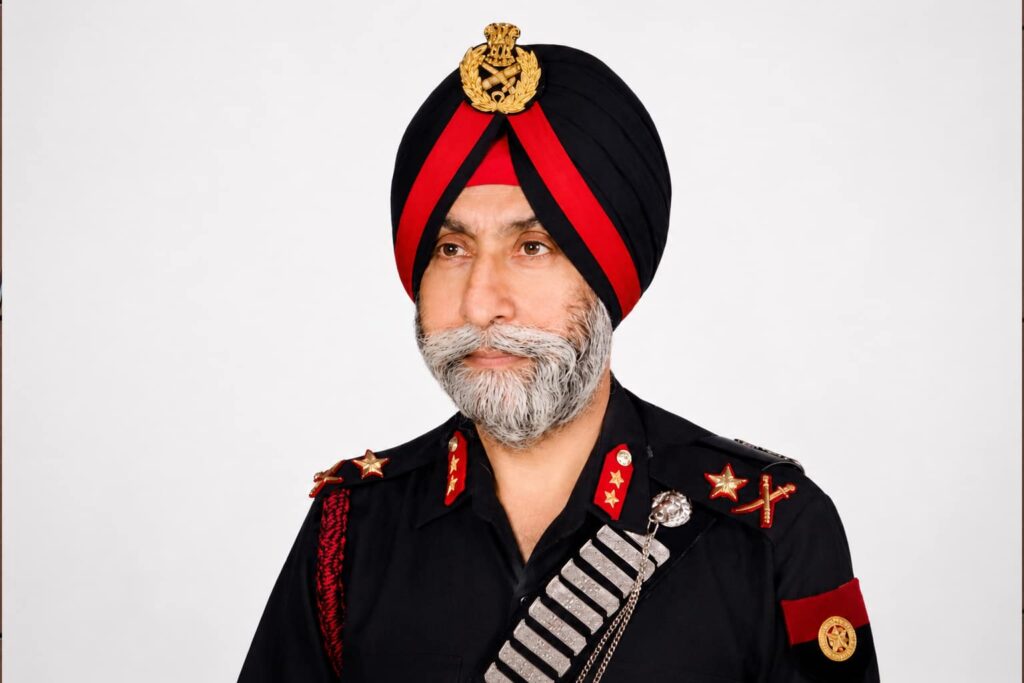
The service lessons of General SVP Singh, VSM, explain this better than any management lecture. His Army career carried two powerful incidents: one from his time as a young Lieutenant in Artillery and another from his time as a Commanding Officer during a difficult operational situation.
Both incidents carry one common message: real leadership begins with accountability.
When responsibility matters more than self-protection?
During his early Army service, General SVP Singh was serving as a Gun Position Officer in Artillery. In one firing situation, a wrong command was passed. The required data was 345 degrees, but 354 degrees was given to the gun.
A shell went in the wrong direction.
In Artillery, this is serious. A small error in data can have major consequences. Once a shell is fired, there is no chance to pull it back.
The safety check began. Questions were asked. The pressure increased.
At that moment, the young officer had a choice. He could protect himself by placing the burden on someone below him. Or he could accept command responsibility.
He chose responsibility.
This is the first lesson for every leader in a disciplined system: if the mistake happens under your watch, the first accountability belongs to you.
Why this lesson matters in government service?
In government offices, public institutions and uniformed services, juniors often carry the visible burden of mistakes. A clerk may be blamed for a file error. A subordinate may be blamed for a reporting delay. A staff member may be blamed for an execution lapse.
But a responsible leader must ask a deeper question: did the system guide the person properly? Was supervision done? Was the final responsibility owned by the person in charge?
The Army incident shows that leadership is not about using hierarchy only for authority. Hierarchy also carries responsibility.
If a senior only passes pressure downward, trust breaks. If a senior protects fairness while correcting mistakes, trust grows.
That is the difference between a boss and a leader.
Rank gives authority, trust gives command
The deeper part of the Artillery incident was the human fear behind the mistake.
A Havaldar nearing pension feared that if the blame came on him, his years of service and future security could be affected. For a person close to retirement, such a situation is not just disciplinary pressure. It can affect pension, dignity, family and mental peace.
A young officer understood this and accepted responsibility.
That is why this story is relevant for 8thpaycommissions.in readers also. Pay, pension, service record, retirement benefits and official remarks are not small issues for employees. One wrong entry, one unfair blame or one careless decision can affect a person’s life beyond office hours.
Leadership must remember the human being behind every file, every service record and every uniform.
The second incident: crisis, weapon and command responsibility
Years later, General SVP Singh faced a different kind of test as a Commanding Officer.
At around 1:30 AM, information came that one man from the unit had run away with a 7.62 mm rifle loaded with 20 rounds.
This was not an ordinary absence case. It was a serious threat. A weapon with live ammunition could endanger soldiers, families, children, civilians and the reputation of the unit.
Technically, there could have been arguments about command arrangement because of movement orders. But a real leader does not search for technical escape when responsibility is clear in spirit.
The man belonged to the regiment. So the situation belonged to the commander.
This is the second major lesson: responsibility cannot always be reduced to technical paperwork. Sometimes leadership demands ownership even before the file decides ownership.
How a leader should act in crisis?
The response had to be quick and layered.
Key officers were alerted. Intelligence links were informed. Security at gates and family areas was strengthened. Children were stopped from going to school that morning. Possible routes, transit points, bus stands, railway stations and check posts were watched.
This is crisis leadership.
A weak leader only reacts. A strong leader anticipates.
Where can the person go?
Who can be harmed?
What is the risk to families?
Which route is likely?
Which authorities must be informed?
How should the incident be reported?
These questions are not only military questions. They are leadership questions.
Every government department, police unit, public organisation and administrative system faces crises in some form. The lesson is simple: panic does not solve a crisis. Clear thinking does.
Why honest reporting is non-negotiable?
One of the strongest parts of this incident was the decision to report the matter truthfully.
When a weapon and ammunition are missing, the issue cannot be hidden or delayed. Some situations are serious enough that the truth must be sent upward immediately, even if it creates pressure.
This is moral courage.
Physical courage is visible in the field. Moral courage is visible in files, reports and decisions.
In public service, many problems become bigger because the first mistake is hidden. Then a second mistake is created to cover the first. Then the system loses trust.
A good leader stops that chain early.
If the rule requires reporting, report it. If the situation is serious, do not decorate the truth. If seniors must know, inform them.
That is how institutions remain strong.
Discipline should not remove humanity
The man was eventually caught before the weapon could be used. Discipline followed, as it had to.
But the most important human lesson came later.
Even after punishment, the unit did not treat the man as useless or abandoned. People were asked to check on his welfare periodically.
This does not weaken discipline. It deepens it.
A mature organisation punishes wrongdoing, but it does not forget that the person is still human. This balance is difficult, but every public institution needs it.
Discipline without humanity becomes harsh. Humanity without discipline becomes weak. Real leadership keeps both together.
Comment
General SVP Singh’s service lessons are important because they show what accountability looks like in real life.
In most organisations, people talk about leadership when things are successful. But the real test comes when something goes wrong. Does the senior accept responsibility? Does he protect fairness? Does he report the truth? Does he act before damage spreads? Does he correct the person without destroying dignity?
These questions matter in the Army, but they also matter in every government office, public department and disciplined organisation.
A leader who only enjoys authority will be obeyed because of rank. A leader who accepts responsibility will be followed because of trust.
That is the difference.
What government employees and public leaders can learn?
These Army lessons carry practical value for government employees, officers and team leaders.
If a junior makes a mistake, correct the mistake but examine supervision also.
If a file, order or action has gone wrong, do not rush to find the weakest person to blame.
If rules require reporting, report truthfully.
If a crisis appears, think ahead instead of reacting late.
If punishment is necessary, make it fair.
If the person can be reformed, do not remove dignity completely.
And most importantly, remember that service records, pension, career, family security and reputation are not just administrative details. They affect real lives.
Final takeaway
General SVP Singh’s Army lessons explain why leadership and accountability cannot be separated.
Real leadership means standing in front when blame is coming, not only when appreciation is coming.
It means accepting responsibility without weakening discipline.
It means telling the truth even when the truth creates pressure.
It means remembering the human being behind the mistake.
For any government employee, officer or public leader, this is the central lesson: authority may come with appointment, but respect comes only with responsibility.
That is what real leadership means.



Leave a Reply