

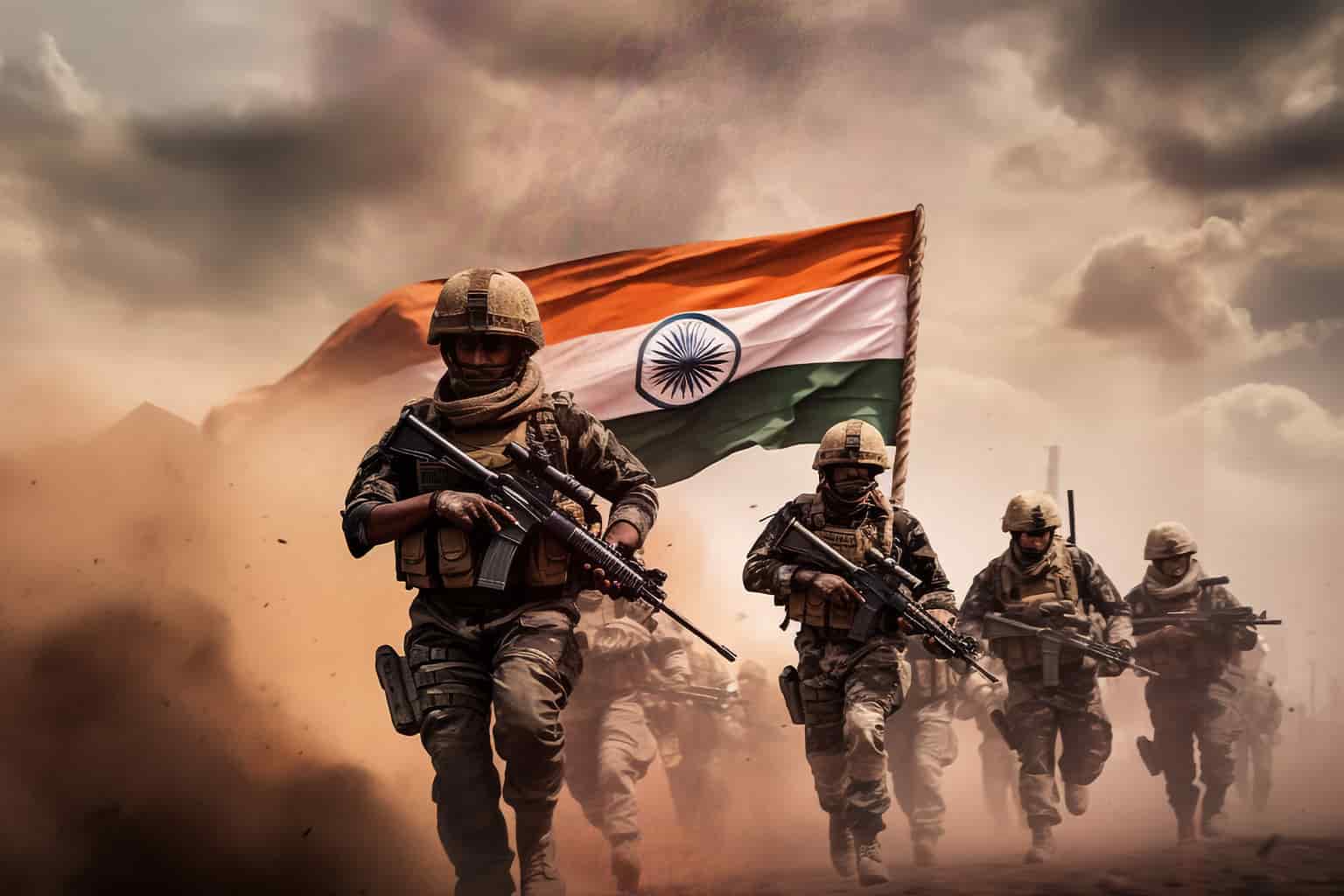
When a military operation ends, the public usually remembers the name, the date and the broad outcome. But the real story of an operation is often carried by those who were part of it.
That is why the commemorative volume on Operation Sindoor deserves attention.
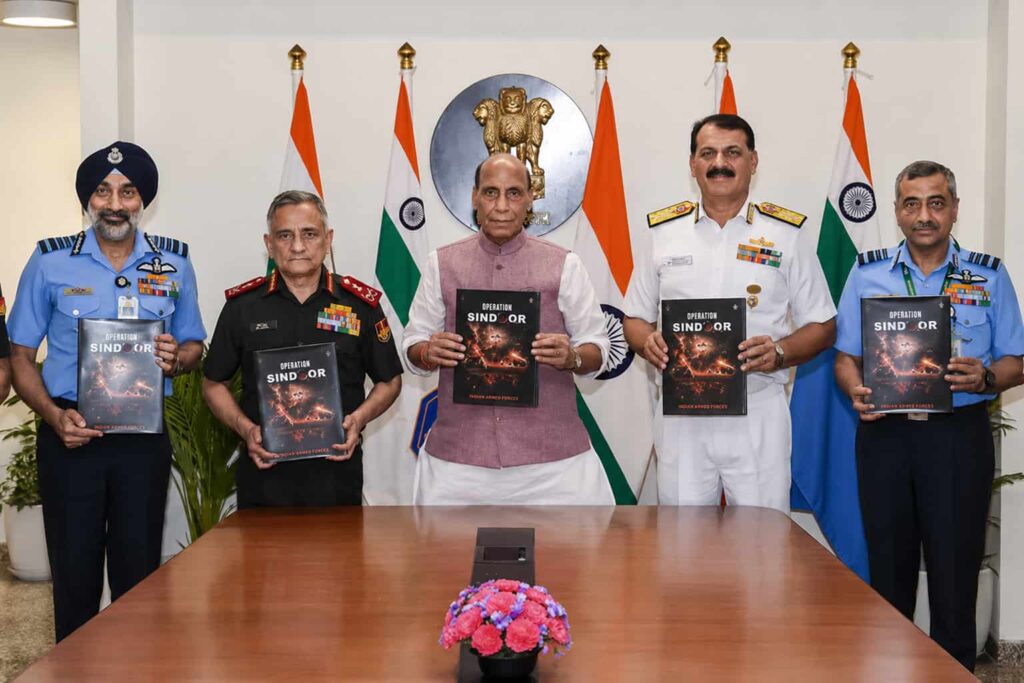
Raksha Mantri Rajnath Singh released the publication on 29 May 2026. As per the official PIB release, the volume brings together first-hand accounts of 100 officers, sailors, airmen and soldiers linked with Operation Sindoor.
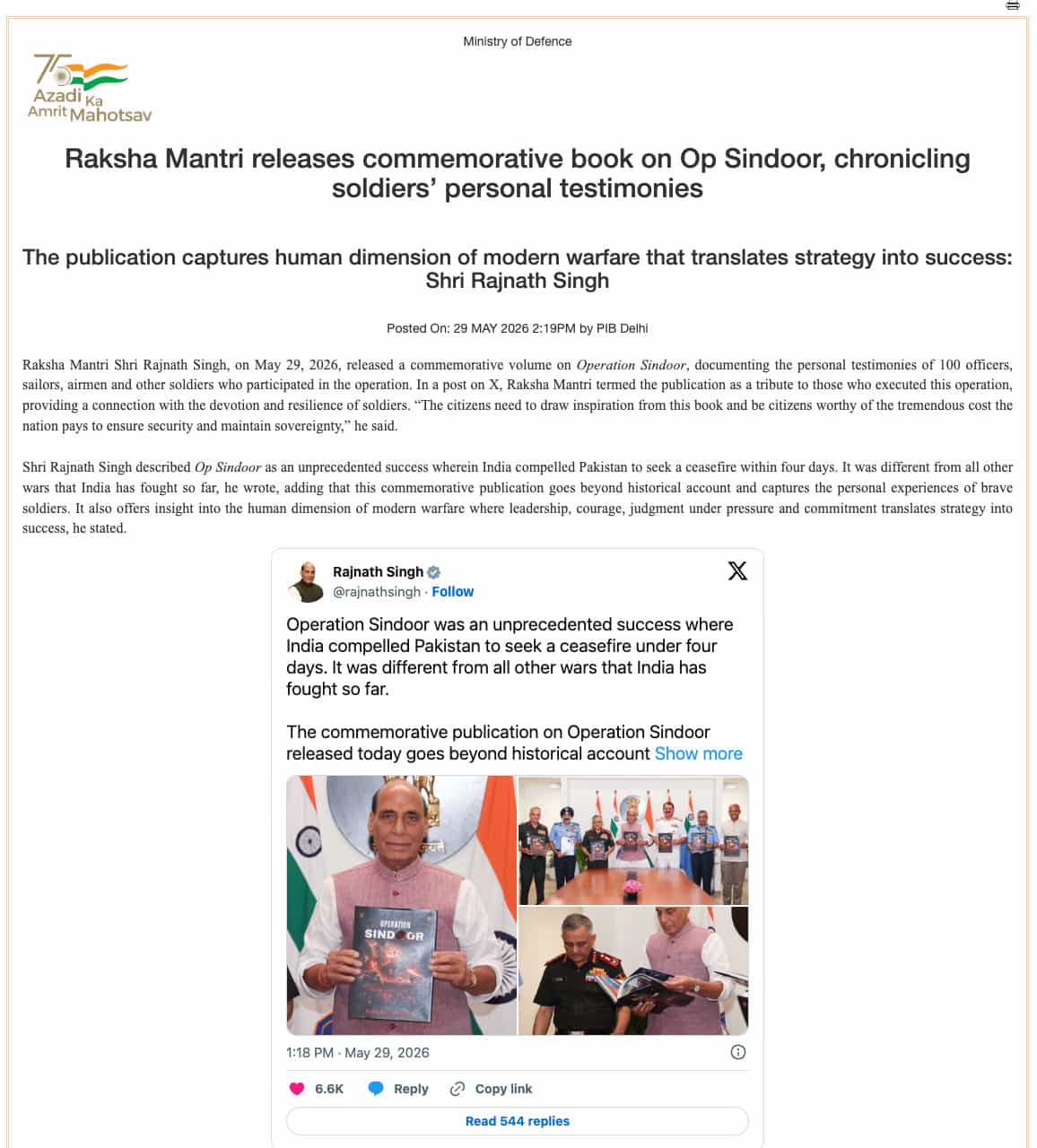
This is not just a ceremonial publication. It is a formal effort to record operational experience through the people who carried responsibility during the mission.
Why is official documentation important?
A country’s military memory cannot depend only on headlines.
News reports move quickly. Public discussion changes within days. But official documentation stays. It gives future readers a verified reference point and helps preserve the professional lessons of an operation.
Operation Sindoor is already part of India’s recent defence discussion. But a record based on first-hand accounts adds another layer. It helps citizens understand that military action is not only about orders from the top. It is also about execution, coordination and pressure at different levels.
This kind of record is important for students, defence aspirants, researchers, veterans, policy watchers and ordinary citizens who want to understand national security beyond slogans.
A military operation is never a one-person story
One of the most useful parts of the official release is the range of personnel included in the volume.
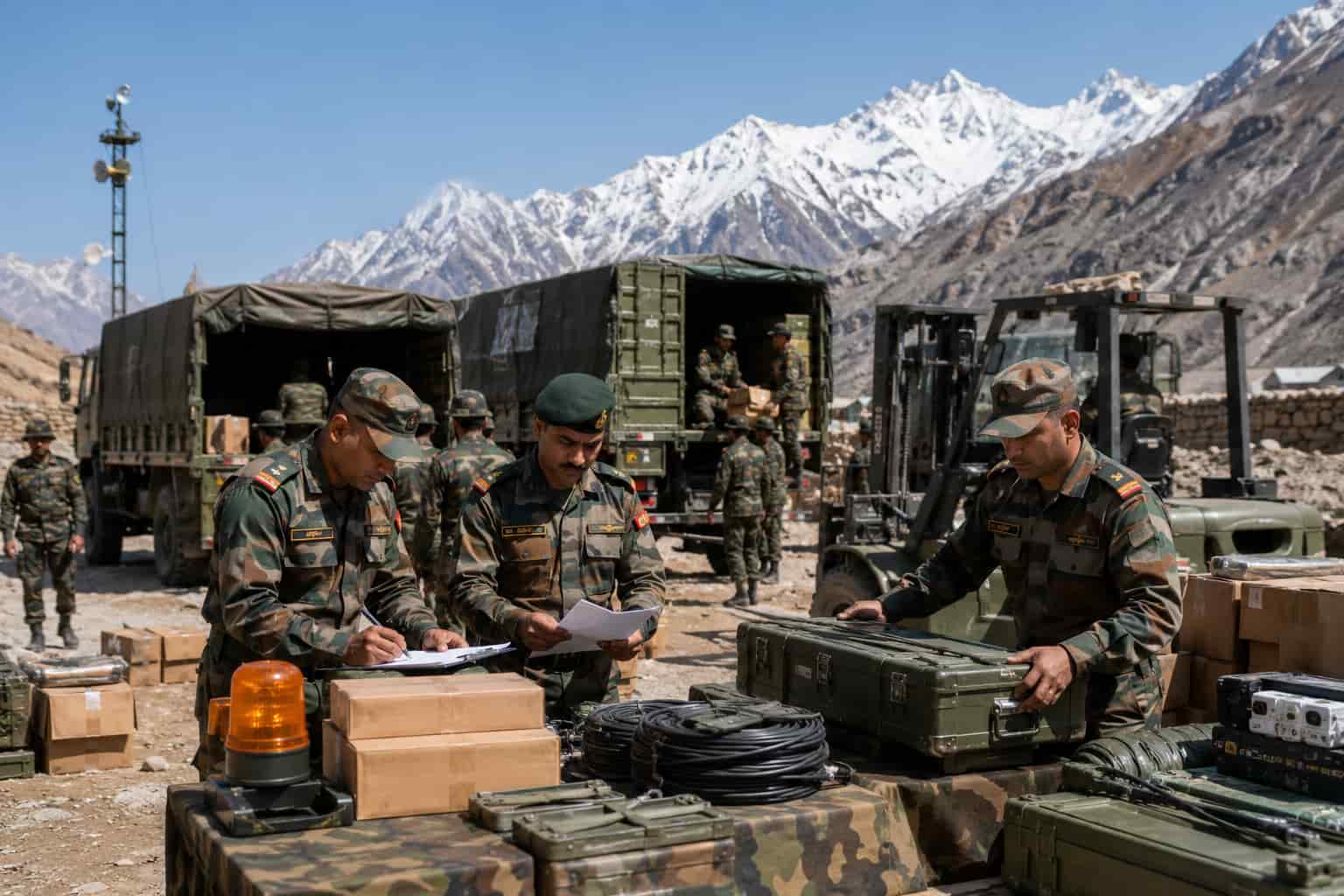
The accounts cover combat aircraft pilots, naval watchkeepers, surface-to-air missile crews, special forces personnel, signallers, logisticians, medical officers and members of joint and integrated organisations.
This shows the real nature of modern military operations.
An operation is not completed only by the most visible combat role. It also depends on communication teams, support units, technical crews, medical preparedness, supply chains, surveillance, coordination and command decisions.
The person seen in the final photograph may be one face of the story. The system behind that person is much wider.
What makes Operation Sindoor documentation relevant?
The relevance lies in how the operation is being remembered.
Instead of leaving the story only to external commentary, the commemorative volume records the experience of those who were connected with the mission. That gives the public a more grounded understanding of military professionalism.
A pilot’s account can explain decision-making under pressure.
A missile crew’s account can show alertness and technical discipline.
A signaller’s account can reveal the value of clear communication.
A medical officer’s account can remind readers that readiness is not only about weapons.
A logistician’s account can show how supplies and movement keep an operation alive.
This is the part of defence work that citizens rarely see.
Why this matters for tri-service awareness?
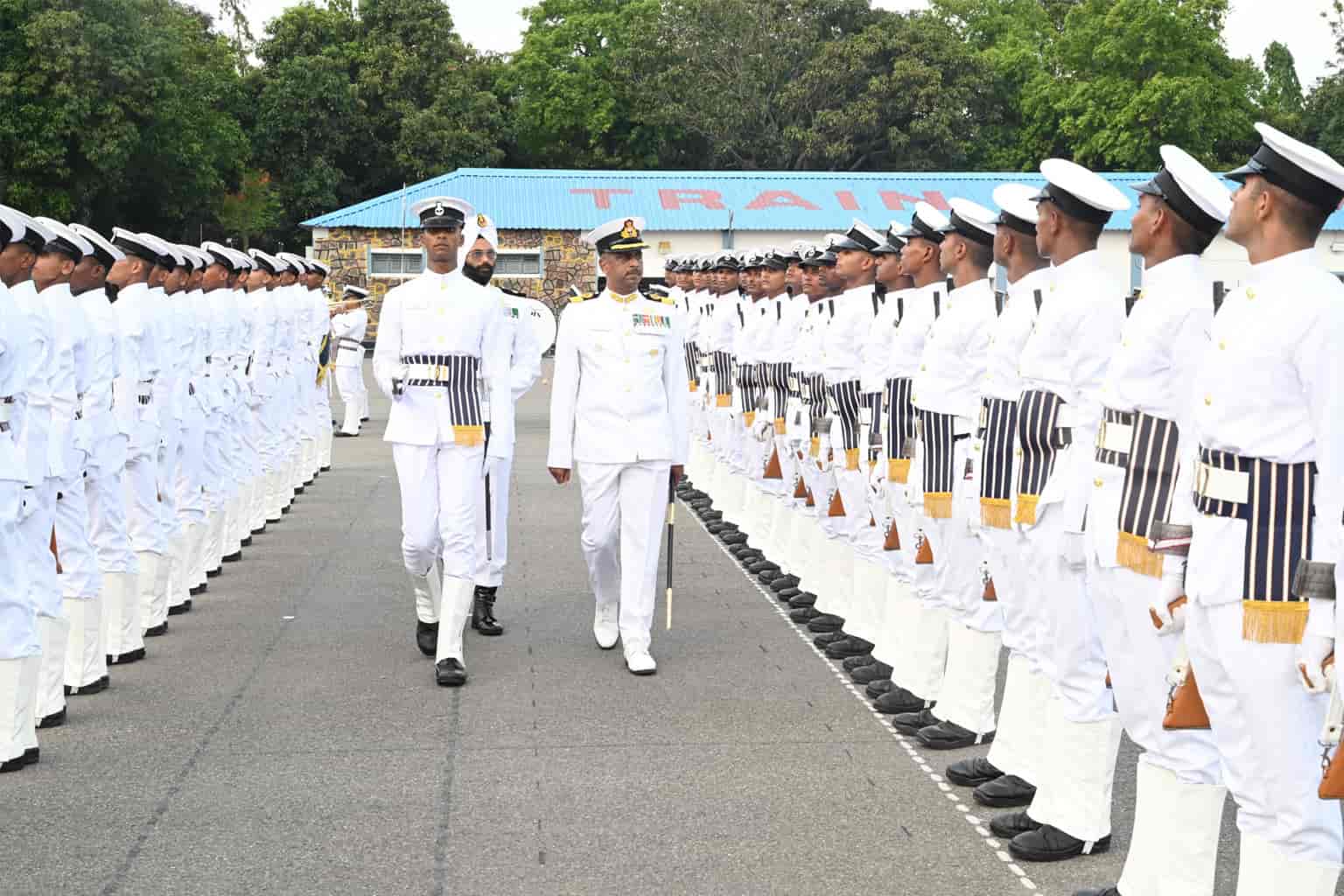
India’s security environment increasingly requires close coordination between the Army, Navy and Air Force.
Modern operations involve air defence, maritime monitoring, ground response, intelligence, electronic systems, drone threats, logistics, communication networks and integrated planning.
A volume that includes voices from different services and support structures helps explain this reality in a practical way.
For the public, this is important because national defence is often understood in separate service boxes: Army, Navy and Air Force. In real operations, these lines often come together.
Operation Sindoor’s documentation can help readers see national security as a combined institutional effort.
Lorem ipsum dolor sit amet, consectetur adipiscing elit. Ut elit tellus, luctus nec ullamcorper mattis, pulvinar
Why citizens should pay attention?
Citizens do not need classified details to understand the value of military service.
They need a responsible understanding of what goes into keeping the country secure.
Every operation requires long preparation, training, discipline, equipment readiness and human judgement. The public sees the final result, but not always the long chain of work behind it.
A publication based on personnel accounts can bridge that gap. It can make citizens more aware of the effort that stands behind national security.
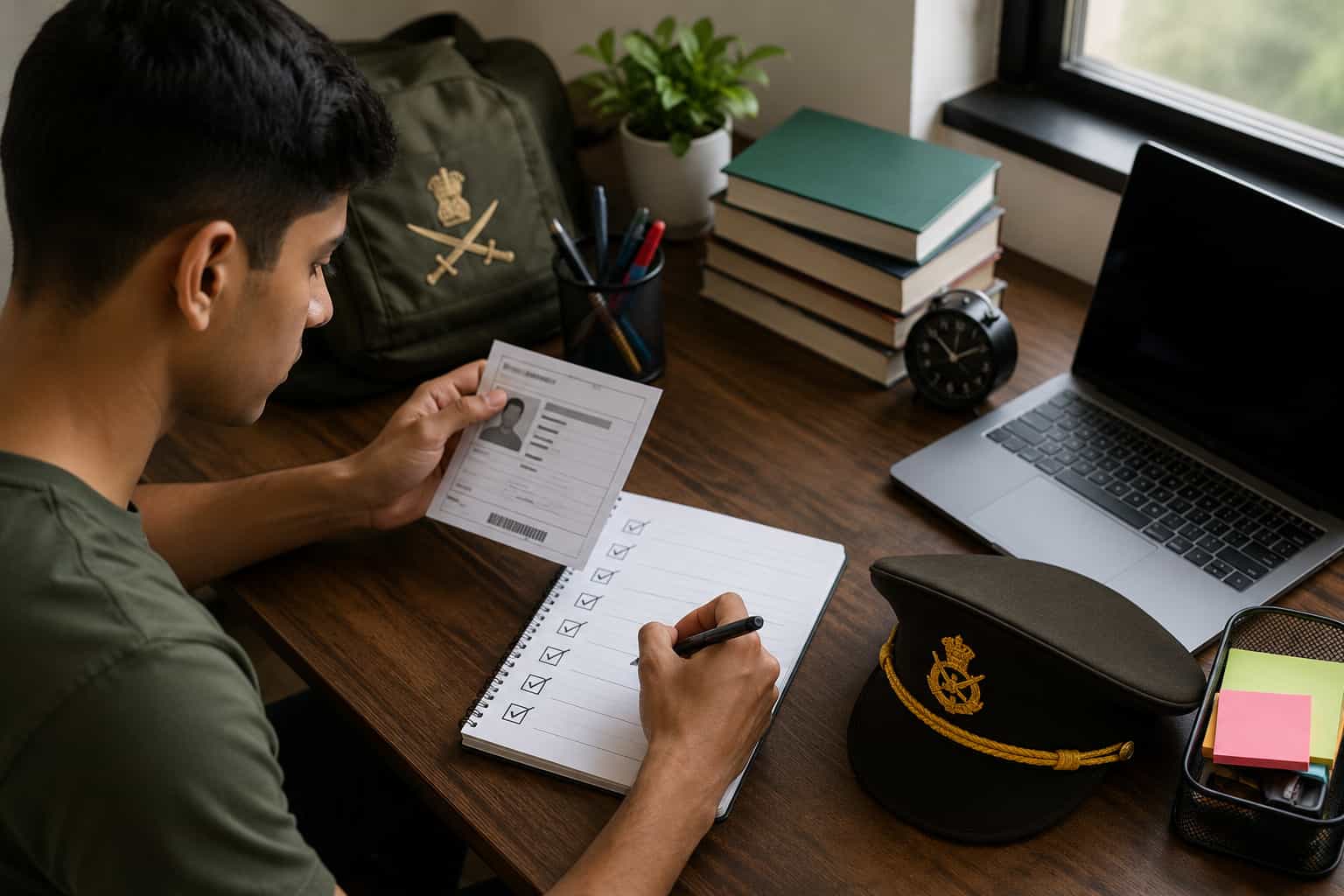
This is especially useful for younger readers. It shows them that uniformed service is not only about bravery in a dramatic moment. It is also about routine discipline, teamwork, professional calm and duty in unseen places.
What should readers not expect from this book?
This volume should not be treated like a source of secret operational details.
It should not be used for speculative claims, exaggerated interpretations or sensational narratives.
The correct way to read this update is as an official commemorative record. It honours contribution, documents experience and preserves memory within responsible limits.
That distinction is important.
Military documentation must inform the public without turning serious service into entertainment.
Comment
The release of this book is a meaningful step because nations are shaped not only by what they do, but also by how they remember what they have done.
If an operation is remembered only through short headlines, the human and institutional effort may fade. But when first-hand voices are preserved, the record becomes more complete.
This is also a reminder that military success is rarely the result of one dramatic moment. It is usually the result of many people doing their duty correctly, quietly and consistently.
That is why such documentation should be welcomed. It helps the country remember service with seriousness, not just emotion.
Final takeaway
The Operation Sindoor commemorative volume is important because it places the experience of personnel into an official record.
It gives citizens a chance to understand the operation through the people who contributed to it across combat, support, technical, medical, logistical and joint roles.
For India, this is not only a book-release update. It is a step towards preserving military experience for future readers.
A nation must remember its operations responsibly. Recording the voices of those who served is one way to do that.
Sources:-
PIB official release:
Raksha Mantri releases commemorative book on Op Sindoor, chronicling soldiers’ personal testimonies
https://www.pib.gov.in/PressReleasePage.aspx?PRID=2266570&lang=1®=3
PIB Ministry of Defence Year End Review 2025:
https://www.pib.gov.in/PressReleasePage.aspx?PRID=2210154
PIB Kargil Vijay Diwas background note:
https://www.pib.gov.in/PressNoteDetails.aspx?ModuleId=3&NoteId=154940


Leave a Reply