

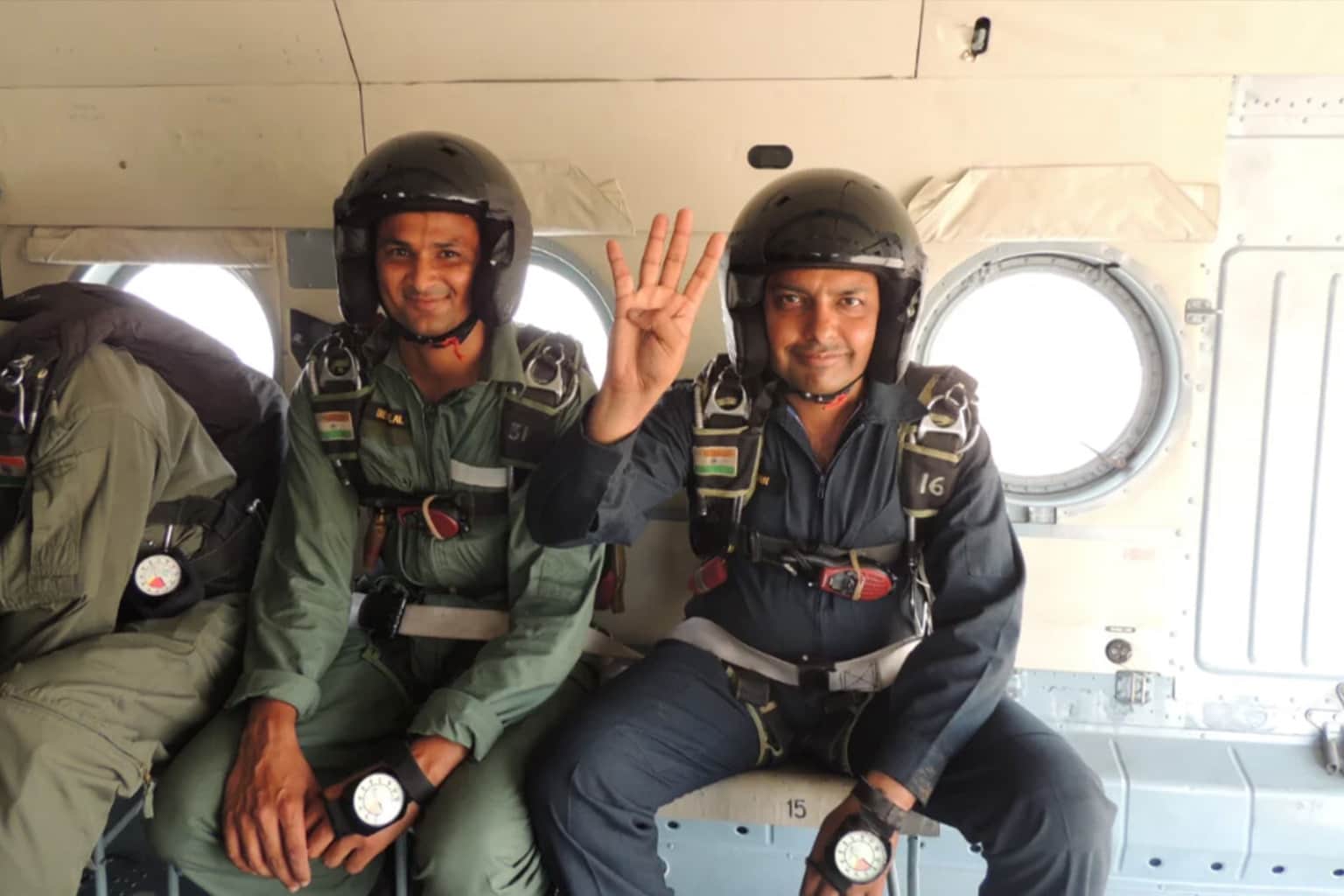
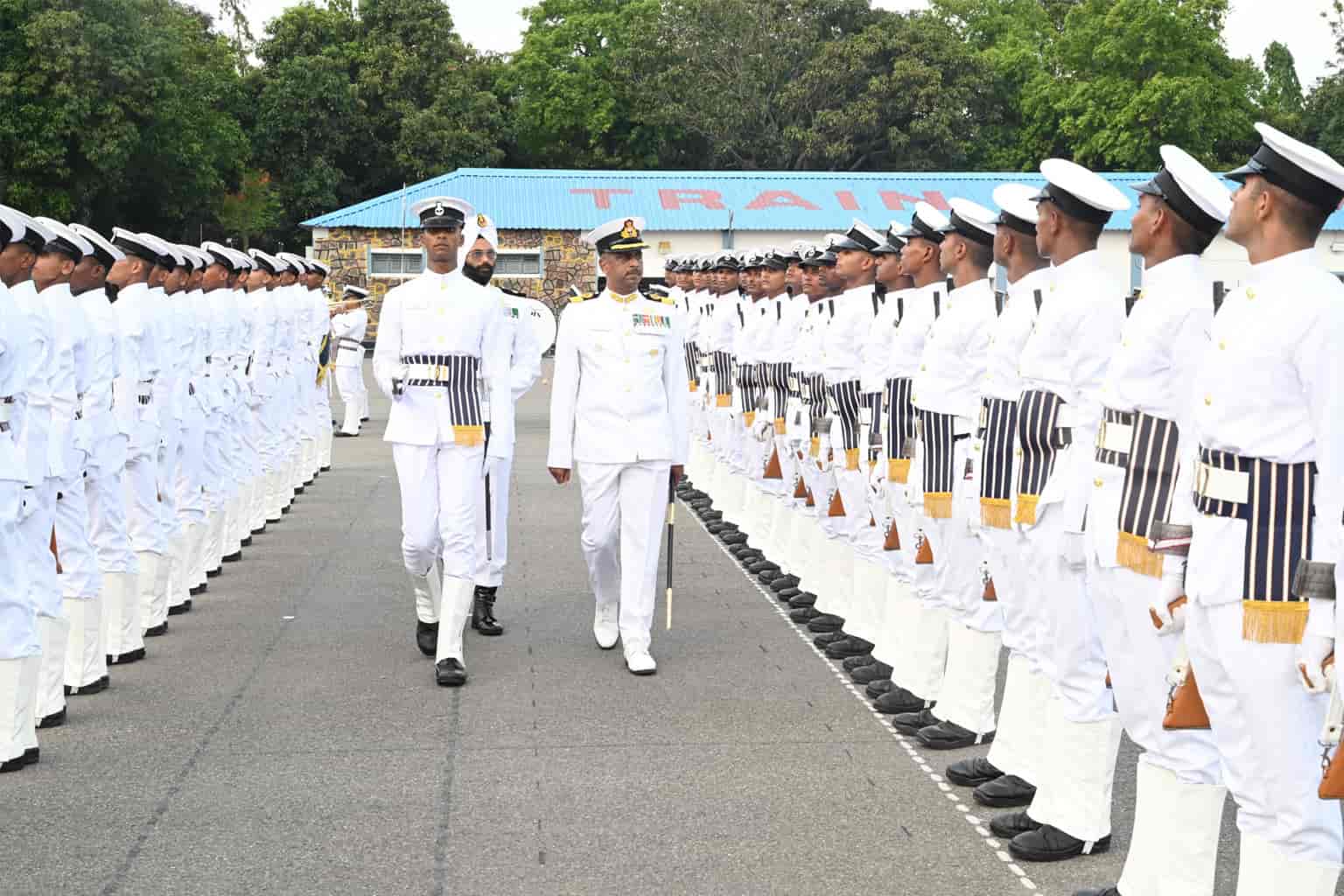
A career in the Indian Air Force is not only a period of military service. It is a training ground for life.
It teaches a person how to work with systems, handle pressure, respect time, communicate clearly, stay prepared and take responsibility when there is no room for casual mistakes.
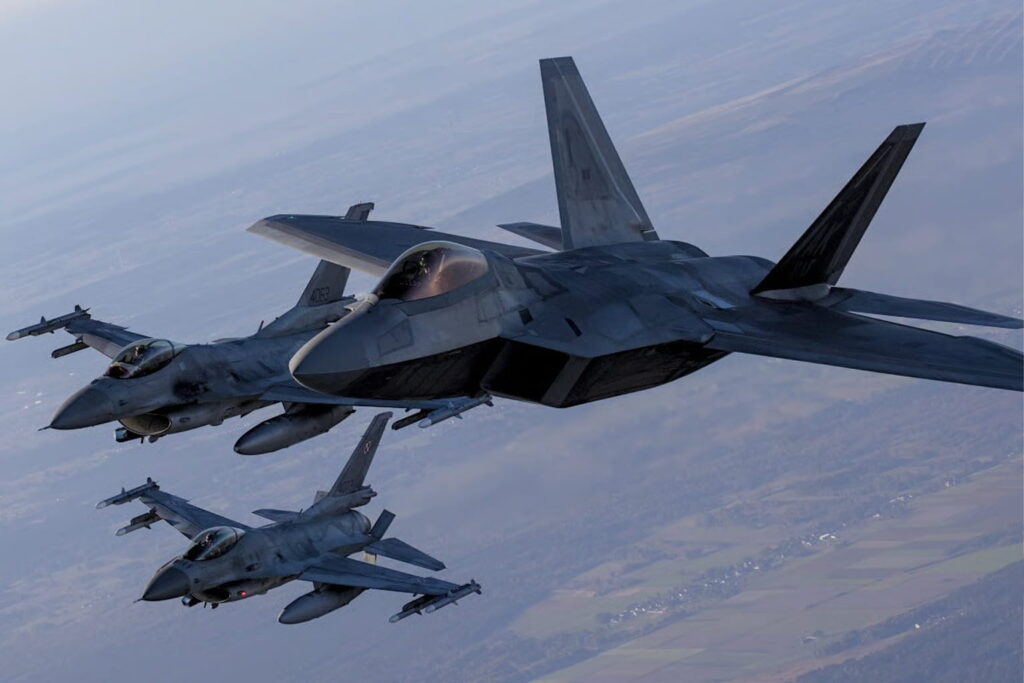
This is why Air Force experience is useful even beyond the uniform. It creates professionals who can contribute in defence, government service, aviation, technology, administration, training, corporate roles and public life.
For defence aspirants, veterans and young job seekers, the Air Force journey offers one important message: a strong career is not built only by selection. It is built by the habits developed after selection.
Why Air Force service is a skill-building career?
The Indian Air Force works in an environment where speed, accuracy and teamwork matter every day.
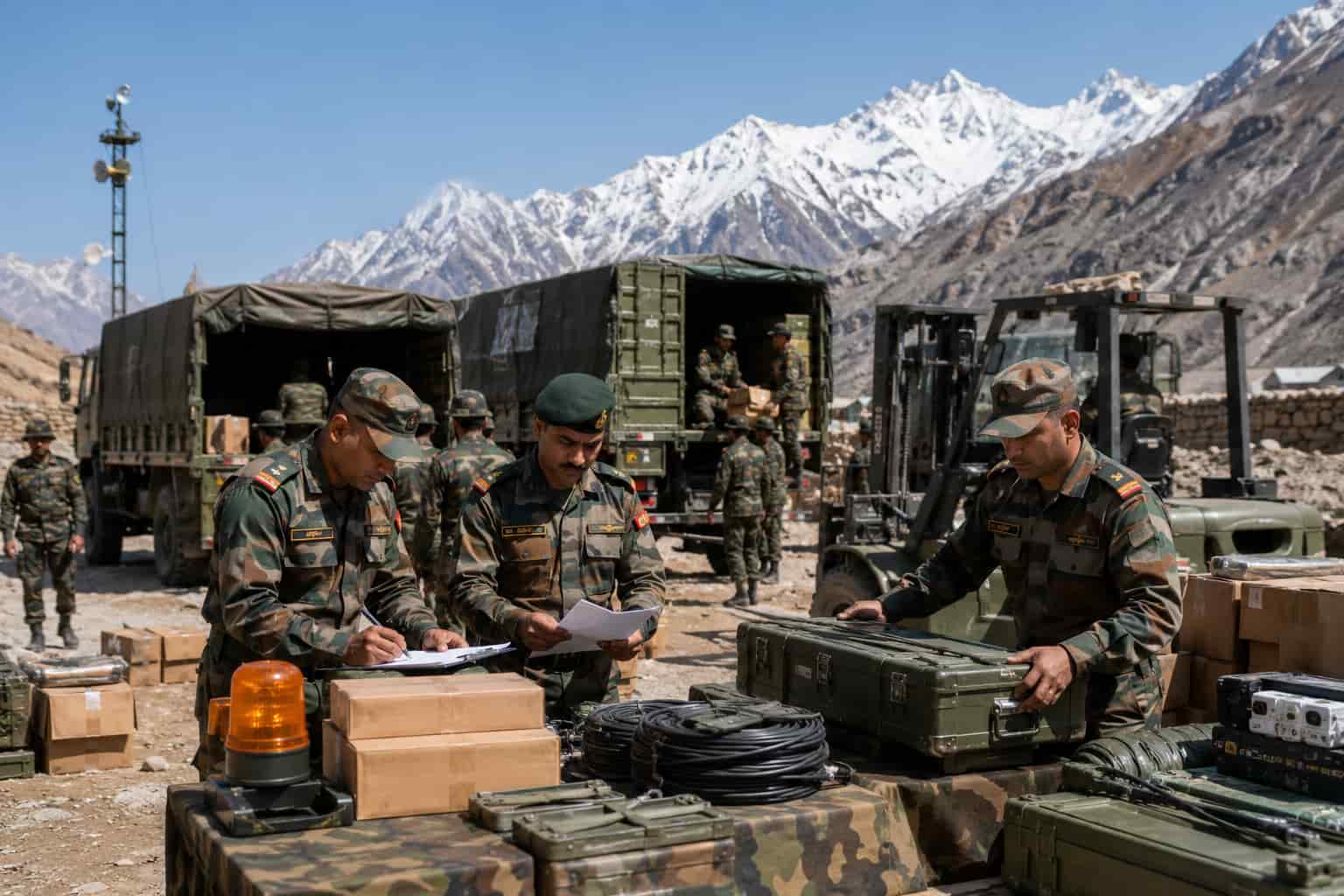
Aircraft operations, engineering checks, air base management, communication systems, weapon handling, logistics and safety procedures all require disciplined execution.
A person who works in such an environment learns to value process.
This is a major career skill.
In civilian jobs also, employers value people who can follow systems, manage responsibility, work with teams and remain calm during difficult situations. These are not ordinary qualities. They are built through years of disciplined service.
Technical confidence is a major advantage
Air Force life gives strong exposure to technology.
Modern air operations depend on aircraft systems, radars, sensors, communication networks, maintenance procedures, ground support equipment, avionics and safety protocols.
This makes technical officers and trained personnel valuable even after retirement.
A veteran with Air Force experience may understand maintenance discipline, equipment readiness, safety checks, documentation, risk control and team coordination better than many civilian candidates.
The challenge is not lack of skill. The challenge is explaining military skill in civilian language.
Why defence aspirants must think beyond selection?
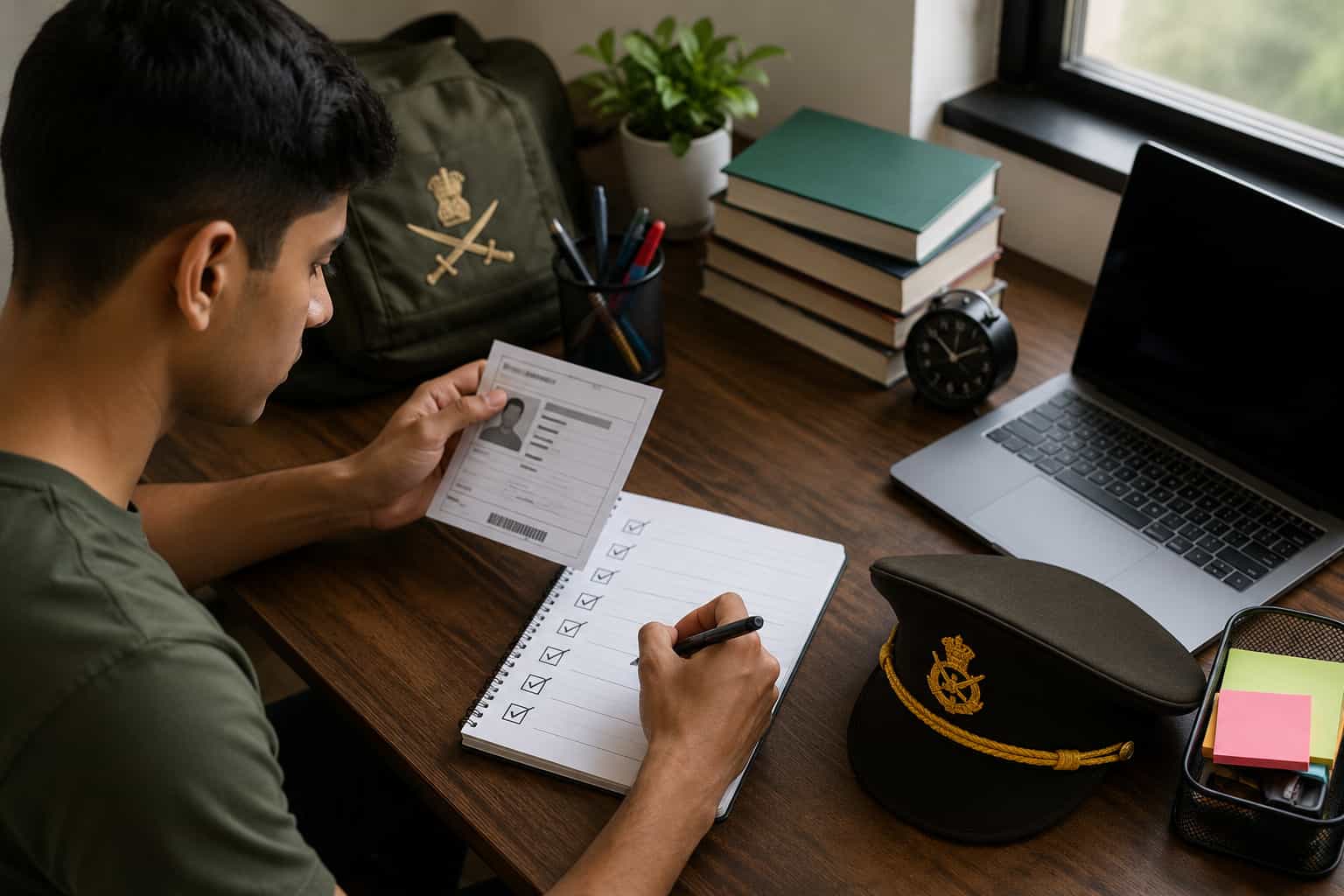
Many young candidates focus only on clearing SSB or getting recommended.
That is important, but it is only the beginning.
The real journey starts after joining. The candidate must be ready for training, responsibility, discipline, pressure and continuous learning.
Aspirants should not prepare only for interview answers. They should prepare for a life where physical fitness, general awareness, communication, teamwork and practical thinking are needed every day.
A good defence aspirant should ask: am I becoming a better person, or am I only learning how to answer questions?
That difference matters.
What SSB preparation should really develop?
SSB preparation should not create artificial confidence.
It should develop real ability.
A candidate should work on reading, awareness, expression, physical activity, social behaviour and responsibility. These are useful not only for SSB but also for any future career.
A person who can speak clearly, listen patiently, solve small problems, help others and stay honest under pressure is already building leadership potential.
Coaching may explain the process, but life habits build personality.
Courage is also a professional quality
In military life, courage is not always dramatic.
Sometimes courage means trusting training. Sometimes it means taking a technical decision calmly. Sometimes it means reporting a problem honestly. Sometimes it means facing fear but still doing the required task.
This quality has value in every career.
A professional who panics in difficulty can disturb the whole team. A professional who stays steady can help others find a solution.
That is why military training creates more than soldiers. It creates dependable people.
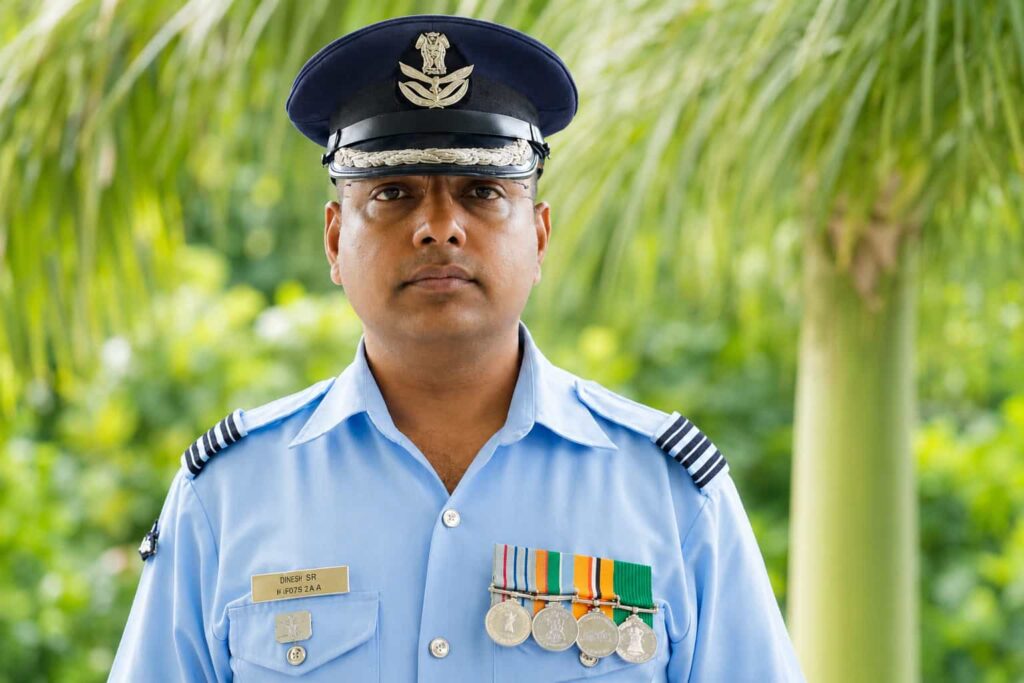
Communication can change a career
One of the most underrated skills in uniformed service is communication.
An officer or air warrior may have technical knowledge, but that knowledge becomes useful only when it can be shared clearly.
Briefing a senior, guiding a junior, explaining a fault, coordinating with another section, writing a report or addressing a group all require communication.
The same skill is highly valuable after retirement.
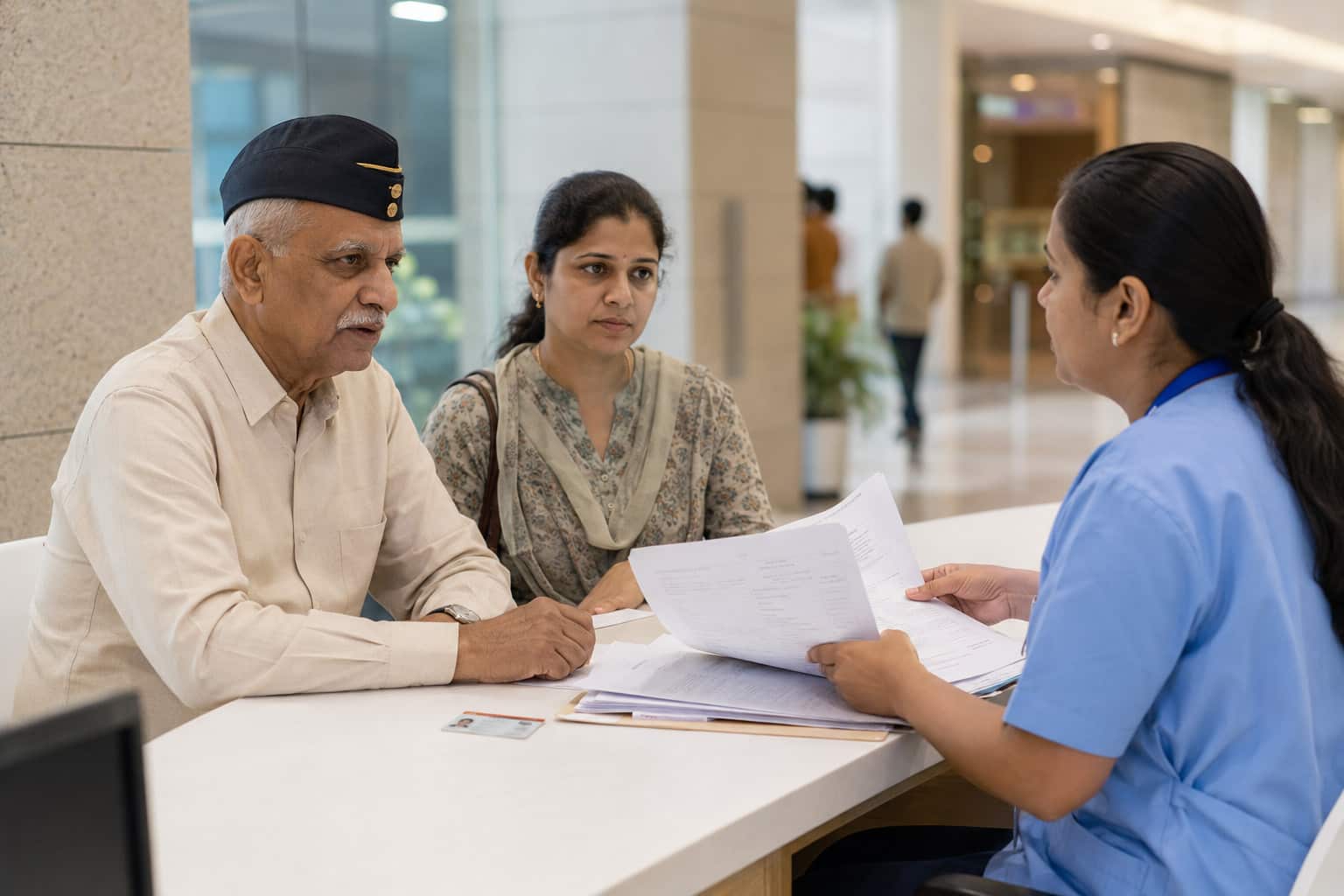
Veterans who can explain their service experience in simple civilian terms can find better second-career opportunities. They should not describe only rank and postings. They should explain outcomes, responsibilities and skills.
How veterans can present their experience?
Many veterans have strong experience but struggle to present it outside the military system.
The solution is translation.
Military planning can be presented as project management.
Equipment maintenance can be presented as asset reliability.
Training responsibility can be presented as team development.
Operational readiness can be presented as risk preparedness.
Administrative control can be presented as workforce management.
Crisis handling can be presented as emergency response leadership.
This change in language helps civilian employers understand the real value of military service.
Why this matters for government job seekers?
Many readers preparing for government jobs focus only on exams and vacancies. But long-term success in any government or public-sector role depends on discipline, honesty, documentation, time management and responsibility.
Air Force service gives strong examples of these qualities.
Whether a person is preparing for defence, railway, court, police, clerical, technical or administrative posts, the lesson remains the same: selection is only the entry gate. Work ethic decides the journey after that.
Comment
The most useful lesson from Air Force life is that professionalism is built quietly.
It is built in daily routine, technical care, fitness, teamwork, honest reporting and respect for systems.
Aspirants often search for shortcuts. Veterans often underestimate their own experience. Young professionals often think communication and discipline are small things.
They are not small things.
These are the qualities that decide whether a person can be trusted with responsibility.
What should young candidates learn?
Young candidates should start early.
Read regularly.
Stay fit.
Speak clearly.
Learn basic technology.
Take responsibility at home.
Respect time.
Work with people.
Avoid fake confidence.
Build real habits.
These qualities help in SSB, government jobs, private jobs and life.
A uniformed career may not come to everyone, but the qualities of uniformed service can help every serious young person.
Final takeaway
Indian Air Force service teaches lessons that remain useful long after the uniform is taken off.
It builds technical confidence, discipline, courage, communication, teamwork and crisis-handling ability. These qualities matter for defence aspirants, veterans, government job seekers and young professionals.
The bigger message is clear: a strong career is not created by one exam or one interview.
It is created by habits, responsibility and the ability to keep learning.
That is the real value of Air Force life.

Leave a Reply