

When most people think about military strength, they imagine what can be seen clearly: tanks moving forward, artillery firing, fighter aircraft taking off, or missiles hitting targets. But modern warfare is no longer decided only by the weapons that appear on television screens or in dramatic photographs. It is also shaped by what one side can detect, intercept, classify and understand before visible combat begins. That is why India’s latest electronic warfare contract deserves more attention than a routine defence procurement headline usually gets.
The Ministry of Defence has signed a contract with Bharat Electronics Limited for the procurement of five Ground-Based Mobile Electronic Systems for the Indian Army. According to the official PIB release, the contract is worth ₹1,476 crore, carries minimum 72 percent indigenous content, and falls under the Buy (Indian, Indigenously Designed, Developed and Manufactured) category. That already makes it significant from both a military and an industrial point of view. It is not only a capability purchase. It is also part of India’s larger push toward indigenous defence production.
At the same time, one detail in the story can confuse readers unless it is explained properly. BEL’s own press release gives the order value as ₹1,251 crore excluding taxes. That is why two different numbers are now appearing in reports about the same contract. The most sensible reading is that the Ministry’s figure reflects the broader contract value, while BEL is reporting its own order value before taxes. Explaining both numbers together is important because it keeps the story factual and avoids the impression that the reports are contradicting each other.
The next question is the most important one for ordinary readers: what does this system actually do?
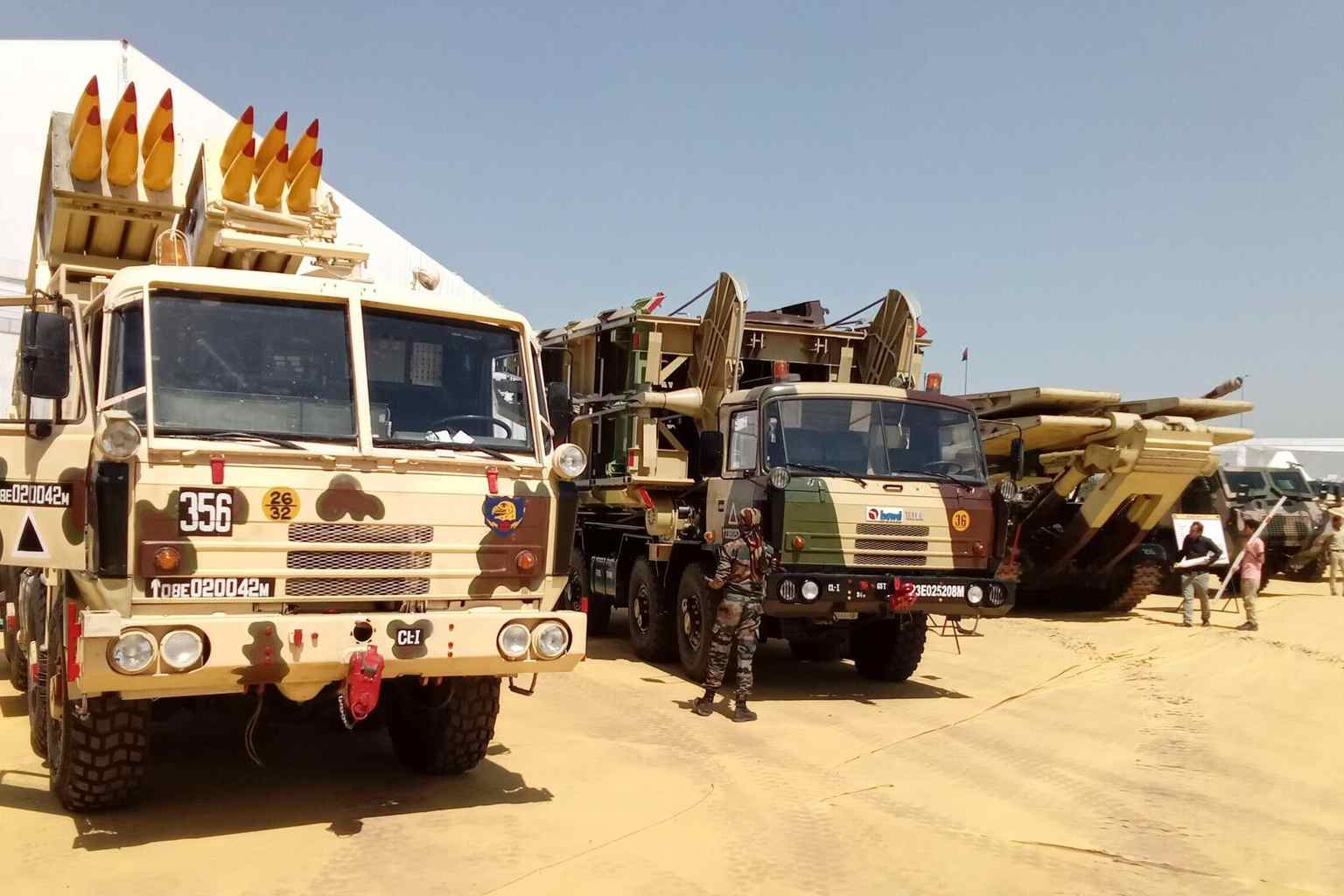
BEL says the Ground Based Mobile ELINT System, or GBMES, is a fully indigenous system designed and developed by DLRL, Hyderabad, and manufactured by BEL. The company says it can detect, classify and locate all types of radars, and can also intercept and analyse communication signals. In simple language, that means the Army gets a better ability to read the invisible side of the battlefield. Instead of relying only on visible movement or direct contact, it can build awareness from radar emissions and communication activity around it.
That matters because modern conflict often begins long before the first obvious exchange of fire. Radios, radars, sensors, drones and communication links all create an electronic signature. The side that understands that electronic picture faster can often react earlier, protect assets better and make more informed decisions. That is why electronic warfare is not a secondary layer of military strength anymore. It is increasingly part of the main contest itself. This is an inference from the system’s radar-detection and communications-intercept role described by BEL.
The word mobile in this contract is also important. India is not buying a fixed electronic intelligence installation for one location. It is buying a ground-based mobile system. That means the capability can move with formations, be positioned in different sectors and support changing operational needs. In Indian military conditions, that flexibility matters a lot. A system that can be redeployed is more useful in a real security environment than one tied to a single permanent site. This is an inference from the official description of the systems as “Ground-Based Mobile Electronic Systems.”

Seen in a larger way, this deal tells us something important about how India is preparing for future conflict. The country is not only investing in visible strike power. It is also investing in the ability to understand the battlefield earlier and more intelligently. A gun can fire. A missile can strike. But before those actions become effective, commanders need awareness. They need to know what radar is active, what signal pattern is emerging and what kind of electronic activity is building in a zone. In many modern scenarios, that awareness can shape the result even before a visible engagement begins. This again is a reasoned reading of the role electronic intelligence systems play.
The indigenous content angle makes the story even stronger. The official release stresses 72 percent indigenous content, while BEL underlines that the system has been designed by DLRL and manufactured in India. In electronic warfare, self-reliance matters especially because these are highly sensitive systems connected with signals intelligence, radar interpretation and battlefield information. Dependence on outside suppliers in such areas can create long-term strategic vulnerabilities. Indigenous design and production give India more control over upgrades, maintenance and operational confidence.
This is also why the deal should be seen as part of a wider trend in defence modernisation. Today’s military environment is not only about platform numbers. It is about networks, data, sensors and the speed with which information can be turned into action. A country may own powerful weapons, but if it cannot read the electronic environment around it fast enough, its decision-making can still lag. Systems like GBMES sit in that critical gap between raw military force and informed military action.
At the same time, no defence contract should be romanticised as a complete solution on its own. Buying technology is the beginning, not the end. Such systems become truly useful only when they are backed by trained operators, proper doctrine, maintenance support and integration into command decisions. The equipment must not only exist. It must be understood, trusted and used well. That point is an inference, but it is the practical reality of all advanced military technology.
For readers, the simplest takeaway is this: this is not just a story about a big contract number. It is a story about how the Indian Army is preparing for a battlefield where silence, signals and radar awareness may matter as much as the weapons people can see. The real significance of the deal is that it strengthens India’s position in the invisible contest that often shapes visible outcomes later. In that sense, the Army’s newest electronic warfare systems are not only equipment. They are a reminder that future wars may increasingly be influenced by who understands the battlefield first.



Leave a Reply