

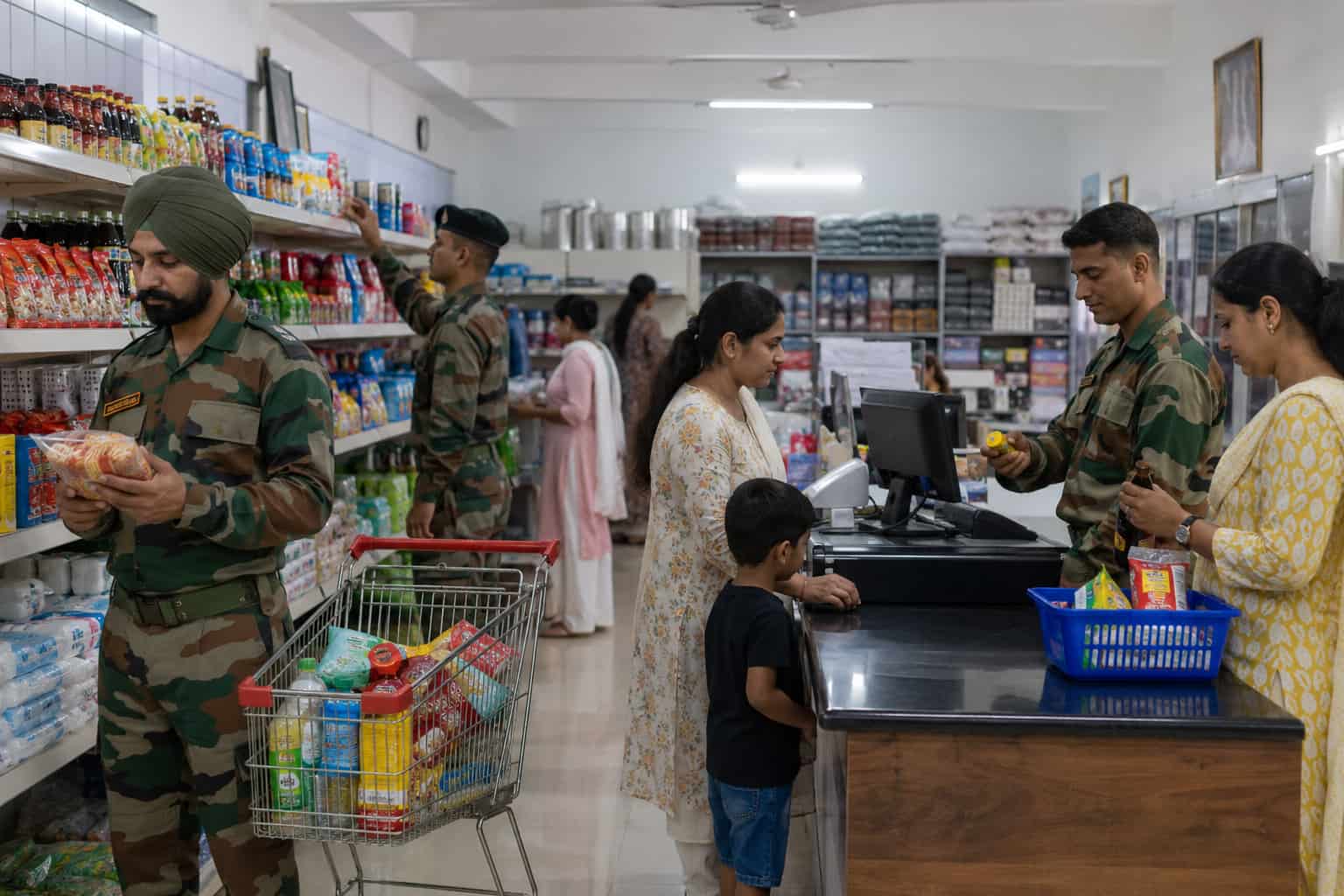
For ex-servicemen, widows and defence families, CSD is not just a billing point. It is part of the welfare system that remains connected to service long after uniformed life is over. That is why even a small problem at one counter can create stress far beyond the value of the purchase itself. When an elderly veteran, a widow, or a dependent family member is stopped during a routine canteen visit, the issue quickly becomes larger than one transaction. It becomes a question of clarity, dignity and consistency.
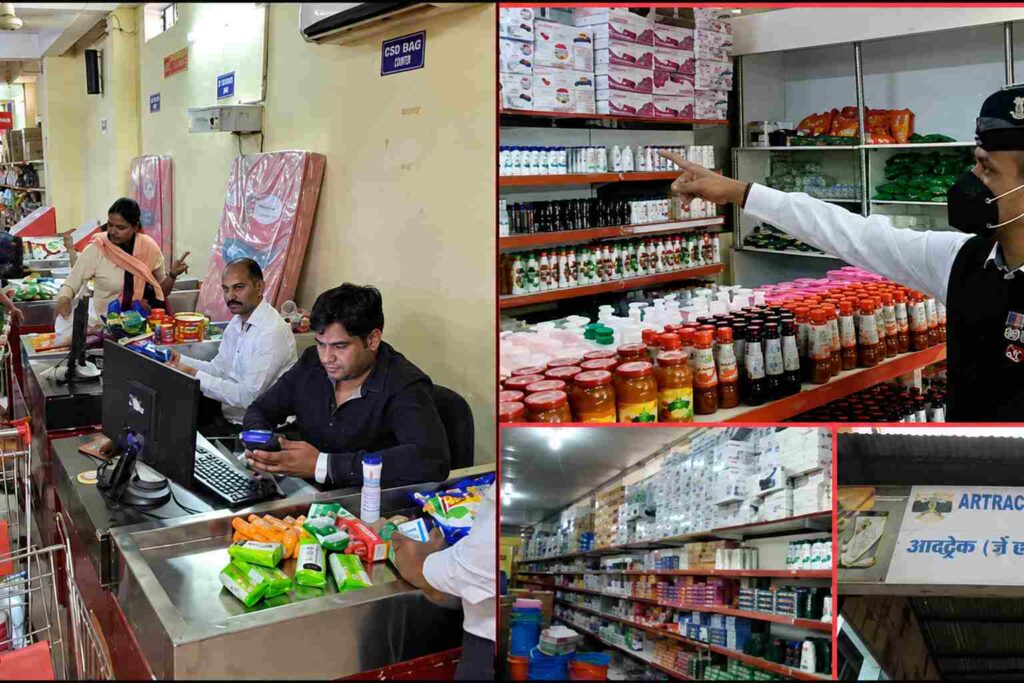
The current confusion around spouse, dependent or attendant purchases has again brought that deeper problem into focus. The real issue is not simply which card was used or who stood at the billing point. The more important question is whether the same entitlement rule is being understood and applied in the same way across different canteens. That is where the actual difficulty begins.
This matters because the official position already gave a practical route for genuine cases. In a Lok Sabha reply dated 21 July 2023, the Ministry of Defence said that, as a pilot initiative, all CSD beneficiaries were allowed to purchase provisions as per entitlement from any canteen. The same answer also stated that where a beneficiary, including a senior citizen, was unable to present himself or herself personally, a dependent could purchase stores on the beneficiary’s behalf after obtaining permission from the Chairman of the concerned Unit Run Canteen.
That official answer is important because it changes the frame of the debate. If the system already recognizes that a genuine beneficiary may not always be physically present, then many day-to-day disputes are not really about whether such situations are conceptually allowed. They are more likely about how that permission is implemented on the ground. In other words, what families often face is not always a clear national bar. It is uneven local interpretation. That distinction matters because it can reduce panic and redirect attention toward the actual problem: inconsistent counter-level handling.
This is where many viral messages become misleading. One local refusal, one confusing exchange, or one counter-level objection can quickly circulate as if a new nationwide restriction has been imposed. Families then begin to assume that a long-standing facility has suddenly been withdrawn. But a single incident does not automatically prove a fresh national rule. The safer reading, especially in light of the 2023 parliamentary reply, is that the entitlement framework has to be implemented properly and uniformly, not reimagined differently at every counter.
That is why the issue matters so much for senior citizens and widows. An elderly veteran may not be able to travel regularly. A widow may depend on a son, daughter or other family member for essential errands. A disabled beneficiary may not be in a position to stand in line and argue over procedure. If the official system allows dependent purchase after proper permission, then the practical challenge is to ensure that this process is followed with consistency and respect. A welfare system should not become unpredictable simply because one canteen understands the rule and another applies it hesitantly.
At the same time, discipline in CSD operations is also necessary. Entitlement cannot be treated casually. Verification matters. Smart cards and purchase rights cannot be left open to misuse. The canteen staff are right to ensure that purchases remain within policy and that identity and authorization are checked properly. But careful verification and avoidable harassment are not the same thing. A disciplined welfare structure should be firm in rule enforcement and humane in beneficiary handling at the same time.
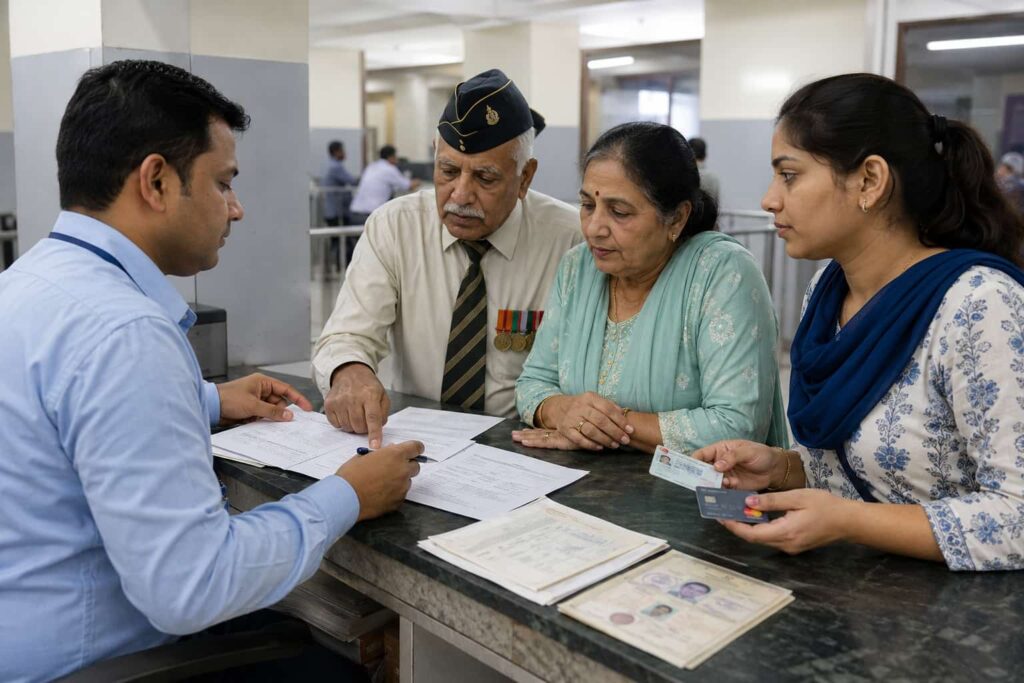
This is why communication at the depot level becomes so important. If permission from the Chairman of the URC is needed when the main beneficiary is absent, families should be told clearly what documents or proof are required. If a dependent is allowed to purchase only after a local approval process, that process should be communicated in advance and in simple terms. Confusion grows when the rule exists but the beneficiary learns about it only after being stopped at the counter.For families, the safest approach is preparation. If the main beneficiary is unable to visit personally, it is wise to carry the relevant smart card, identity documents, and any supporting papers or local permission that may be required by the URC process. In a regulated welfare system, documents often reduce friction. Many disputes become worse because the family arrives assuming that a verbal explanation will be enough, while the counter staff insist on formal authorization. A prepared file does not solve every problem, but it often prevents avoidable ones.
For the administration, the lesson is equally clear. A clarification at the top has limited value if it is not applied uniformly at the billing counter. Beneficiaries do not experience policy through files and replies in Delhi. They experience it through the cashier, the verification desk, the URC manager and the local process in front of them. That is where confidence in the welfare system is either strengthened or weakened. If one canteen permits an entitled purchase after verification and another blocks it without clear reason, the family does not feel guided by policy. It feels trapped by inconsistency.
That is why this is bigger than an ATM-card argument. The payment instrument is only one visible part of a much larger welfare issue. The real question is whether a genuine beneficiary, or a dependent acting through a valid authorized process, is treated the same way across the system. If the answer depends too heavily on local interpretation, then families will continue to face uncertainty even where the broad entitlement has already been recognized.
The most sensible takeaway for veterans and families is simple. Do not panic because of one forwarded message. Do not assume every local objection means a fresh national restriction. Keep your documents ready, understand the local URC permission process where required, and seek written clarification or escalation through proper welfare channels if a genuine difficulty arises. The issue is not only what the rule says. It is whether the rule is being applied with fairness and consistency.
In the end, that is the real CSD issue. Not one card alone, but whether the same welfare rule is followed with the same respect at every counter. And in a system meant for those who served, that consistency is not a small administrative matter. It is part of dignity itself.



Leave a Reply