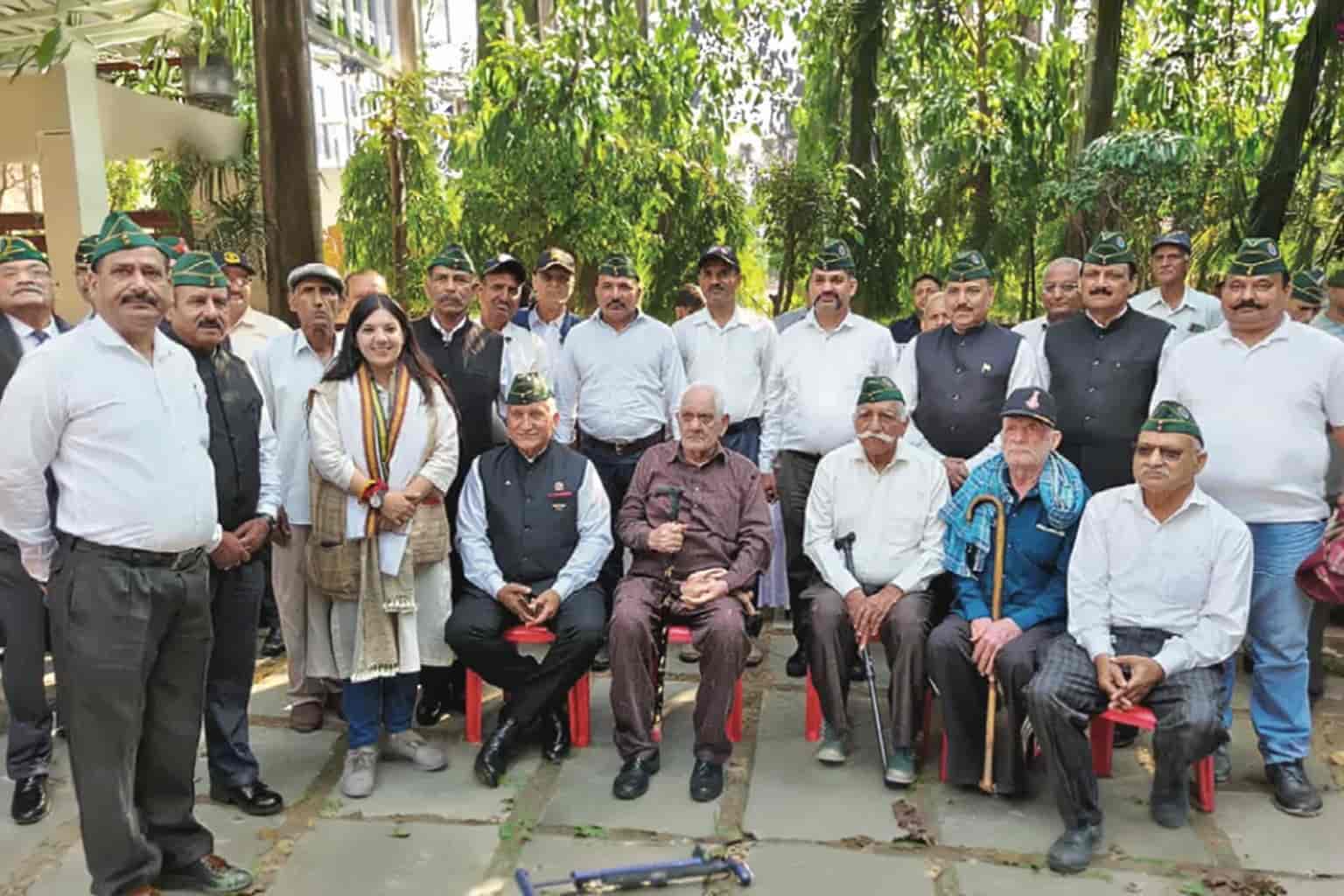
The 8th Central Pay Commission is no longer just a headline-driven topic discussed through portal updates and public notices. With the confirmation of a stakeholder interaction in Dehradun on 24 April 2026, the process has entered a more meaningful stage. It is now becoming clear that the Commission is moving beyond passive submissions and beginning to engage with organised groups on the ground.
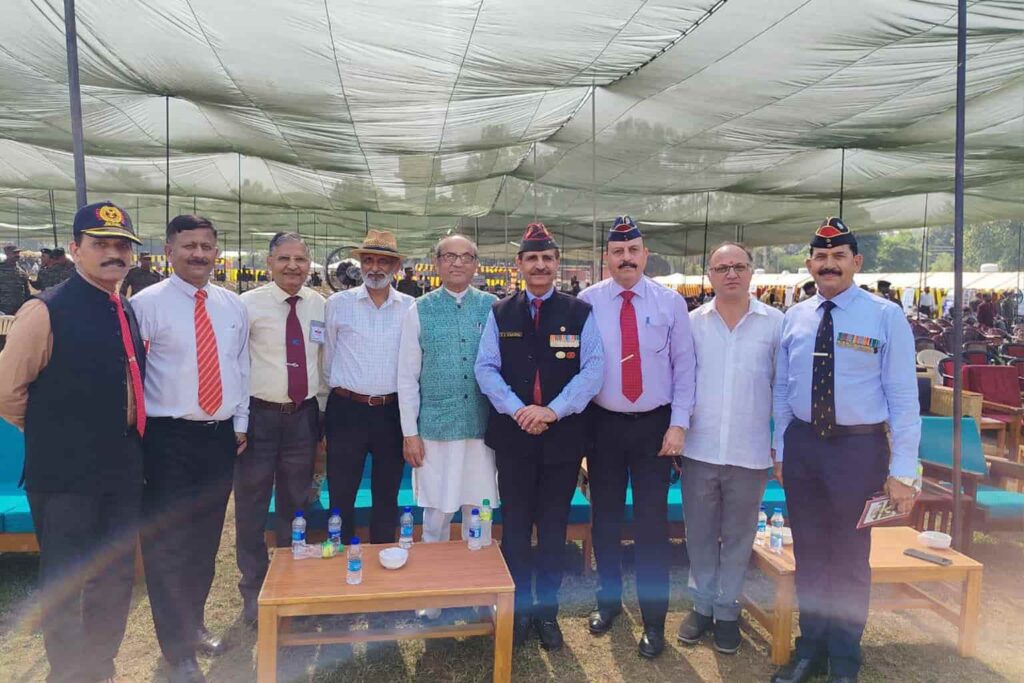
For veterans, pensioners and serving employees, that shift matters more than it may appear at first glance.
The Dehradun interaction is important not simply because one association got a meeting slot, but because it gives us a clearer picture of how the 8th Pay Commission may handle access, documentation and representation in the coming weeks. In many ways, this is the first practical sign that the consultation process is becoming real.
why this meeting is bigger than a local event
At one level, the development looks simple. A veterans association sought an appointment. The Commission responded. A meeting was fixed. But the larger meaning lies in the pattern behind that outcome.
This interaction suggests that the Commission is not opening its doors casually. It is building a process where groups must first place their concerns on record, follow the correct route and then seek direct engagement. That is an important institutional signal.
It tells stakeholders that the 8th CPC is likely to value structured, documented and category-based submissions over emotional appeals or informal pressure. This is especially relevant for veterans groups, because many of their concerns are complex and rooted in long-standing anomalies rather than one-time demands.
how the process itself sends a message
The sequence leading to the Dehradun interaction is worth noting carefully.
A veterans body from Clement Town reportedly asked for an appointment for 24 April 2026. The response from the Commission did not immediately confirm a meeting. Instead, the office indicated that requests would be considered only after submission of a memorandum through the official portal and generation of a unique Memo ID.
That condition changes the meaning of participation.
It makes the memorandum central to the process. The meeting is no longer the starting point. The submission is. Only after the association completed that step and followed up with a reminder did the interaction get scheduled.
This tells us that the Commission is trying to create a formal record-based engagement model. For everyone watching this process, that is a major clue about how future meetings may also be handled in cities like Delhi and Pune.
why the Memo ID has become so important
In administrative processes, small procedural details often become the deciding factor. Here, the Memo ID appears to be one such detail.
Many people may treat it like a simple acknowledgement number, but it seems to be much more than that. It is proof that the submission has entered the official system. It also appears to be the basis on which stakeholder requests are being screened and prioritised.
That means associations cannot afford to overlook the technical side of representation. A well-drafted demand that never enters the formal record may have less impact than a concise but properly submitted memorandum backed by evidence.
For individuals too, this is an important lesson. Even if they never get face time with the Commission, their submission can still matter if it is properly structured and officially recorded.
what the confirmed details tell us about the meeting format
The information shared regarding the Dehradun interaction suggests a disciplined and time-bound format.
The meeting is scheduled for 24 April 2026 at 11:00 AM, with instructions to arrive 15 minutes early. The venue is Welcom Hotel on Rajpur Road, Madhuban, Dehradun. There is also a cap on attendance, with not more than two office bearers allowed to represent the association.
This limitation is highly significant.
It shows that the Commission likely wants concise engagement rather than large delegations. It also means associations will need to think very carefully about who attends, who speaks and what documents are carried into the room.
This is not the kind of setting where people can improvise. If a group gets only a short window, every minute will matter.
why this matters for veterans and pensioners in practical terms
The biggest value of this development is that it gives stakeholders time to adjust their approach while the process is still open.
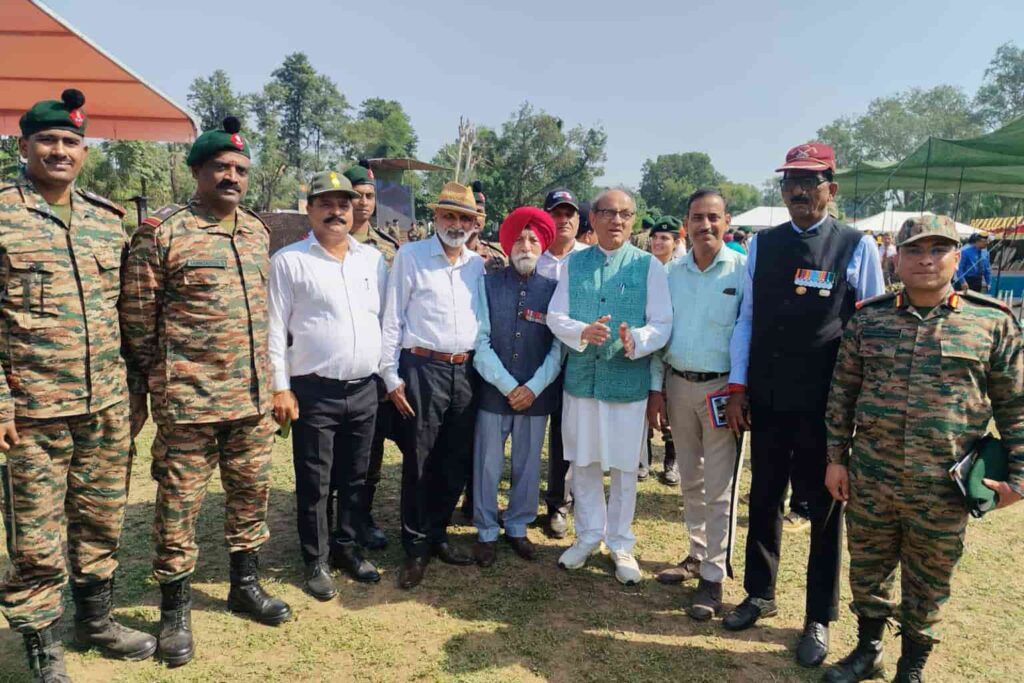
Many veteran bodies and pensioner groups are used to collecting grievances in a broad way. But a pay commission does not function like a protest platform. It works through classification, justification, pattern recognition and financial impact. That means issues have to be converted into policy language.
For example, instead of saying pensioners are suffering, a stronger submission would identify the exact anomaly, the category of people affected, the rule or order involved, and the proposed correction. That kind of clarity is far more likely to influence a formal body.
The Dehradun meeting therefore serves as a warning and an opportunity at the same time. It warns stakeholders that vague representation will not be enough. It also gives them an opportunity to prepare better before more interaction windows open.
which issues are likely to get the most attention
The matters likely to dominate such consultations are not difficult to identify.
For veterans, OROP anomalies remain one of the most discussed issues. Pension revision, parity concerns and the treatment of different retirement categories also continue to create unease. Commutation and restoration remain important because they directly affect long-term retirement income.
Medical support will likely be another major area, especially where ECHS access, reimbursement delays or procedural burdens are affecting elderly beneficiaries and families. Family pension safeguards, disability-related concerns and widows’ issues also carry strong public and moral weight.
At the broader level, the 8th CPC is expected to examine pay matrix changes, fitment factor expectations, allowances, retirement benefits, gratuity, and the continuing debate around NPS and UPS-related concerns.
This means that the current consultation phase is relevant not only to ex-servicemen but to the wider central government ecosystem.
why associations need discipline, not just passion
There is no shortage of feeling around pay and pension issues. The harder task is turning concern into a persuasive case.
Associations preparing for meetings should avoid carrying long lists of loosely connected demands. A better approach would be to identify a limited set of high-impact issues, organise supporting evidence and prepare a short spoken summary for presentation.
Numbers matter. Comparison tables matter. Court judgments matter. PPO examples matter. Official orders matter.
In short, what gets attention in a commission setting is not volume but clarity.
That is why two prepared representatives can sometimes achieve more than a large delegation that has not organised its thoughts.
what individuals should do even without a meeting slot
One of the most useful takeaways from the Dehradun development is that physical presence is not the only route to relevance.
Individuals who submit factual, focused memorandums can still contribute meaningfully to the record. A serving employee, retired pensioner or veteran should clearly mention their category, pay level, pension type, retirement year and the exact issue they want the Commission to study.
Such inputs become more useful when they point to a rule, inconsistency or financial outcome rather than simply expressing dissatisfaction.
The Commission will almost certainly look for repeated patterns. So a well-written individual submission has value beyond the single person who files it.
final takeaway
The confirmed Dehradun interaction is not just a meeting update. It is an early indicator of how the 8th Pay Commission may separate serious, documented representation from general noise.
For veterans and pensioners, that makes this an important moment. It shows that the process is active, that stakeholder access is possible, and that preparation will decide whose concerns are heard most effectively.
In the end, the real lesson is simple. The people who organise their demands now are far more likely to shape the debate than those who wait to react after the recommendations are written.