
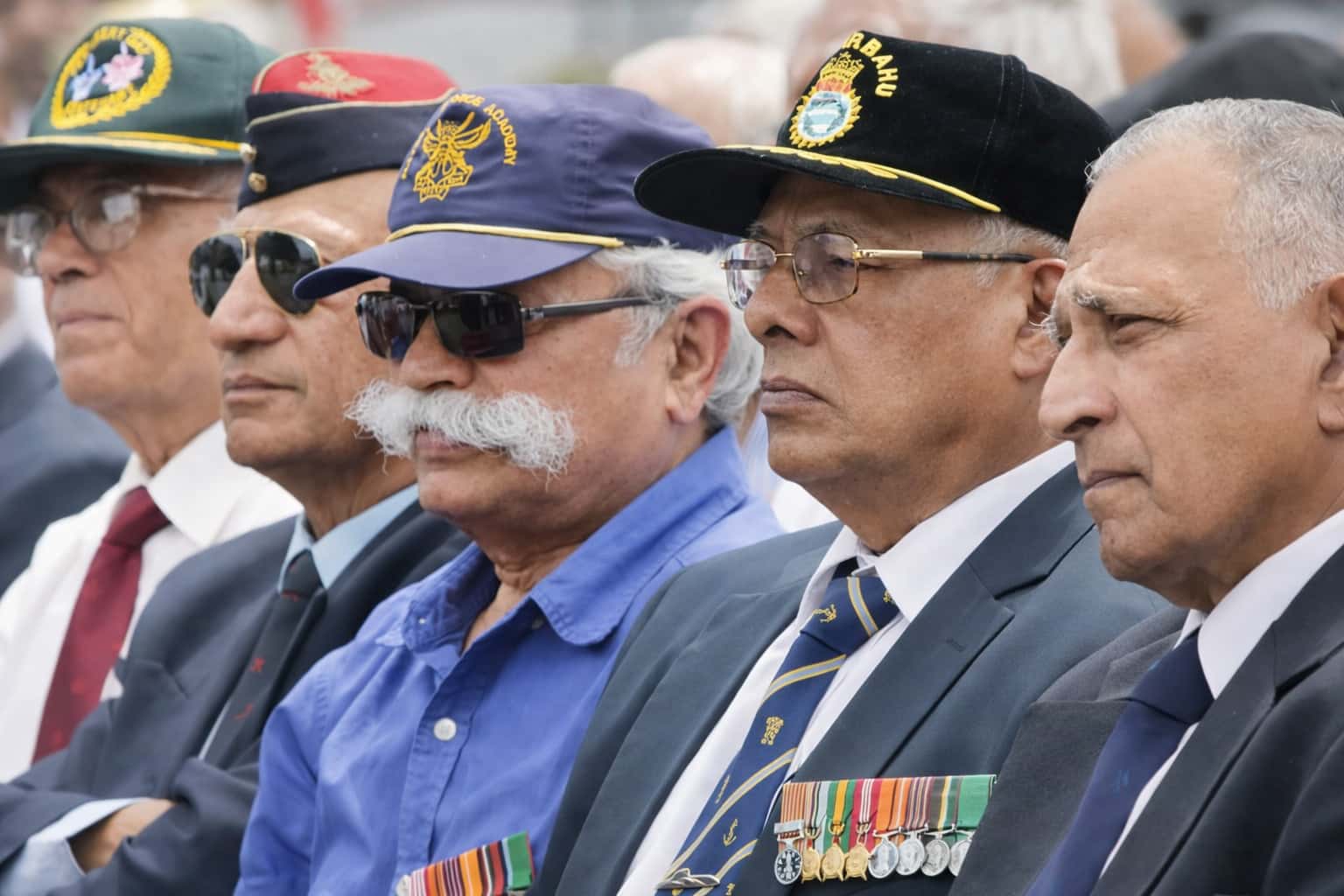
In recent years, the conversation around veteran welfare in India has quietly shifted. What was once seen as a government-led support system is now increasingly shaped by organised defence welfare groups that represent the voice of ex-servicemen on the ground.
These organisations are not just raising concerns. They are actively influencing how policies evolve, how benefits are delivered, and how quickly issues are addressed. For lakhs of veterans and their families, this shift has become both relevant and necessary.
How collective representation is changing the system?
For an individual veteran, raising concerns about pension delays or healthcare access can often feel like navigating a complex system alone. Defence welfare groups have changed that dynamic.
By bringing together thousands of voices, these organisations convert scattered issues into structured representations. This collective pressure ensures that concerns reach decision-makers in a more organised and impactful way.
Instead of isolated complaints, authorities now deal with documented cases, data-backed inputs, and policy-level suggestions. This has significantly improved the visibility of veteran-related issues at higher levels.
Pension Reforms are now being shaped from the ground level
Pension has always been the foundation of financial security for ex-servicemen. However, the real challenge has never been about policy creation alone, but about implementation.
Defence welfare groups have stepped in to address gaps such as:
- inconsistencies in pension calculation across batches
- delays in arrears and revisions
- confusion in interpretation of rules
- unresolved anomalies even after major reforms
Their role has been especially important in keeping long-term issues alive in public and policy discussions. Continuous follow-ups, legal awareness, and structured representations have ensured that pension is not treated as a closed subject, but as an evolving system that needs regular correction.
The 8th Pay Commission phase is a defining moment
With the 8th Pay Commission process underway, a new window of opportunity has opened. This is the stage where future pension structures, fitment factors, and benefit frameworks will be shaped.
Defence welfare organisations are expected to play a decisive role by:
- presenting real-life challenges faced by veterans
- pushing for parity between past and present retirees
- highlighting defence-specific concerns separately from civilian issues
- ensuring that pension revisions reflect actual cost-of-living realities
This phase is crucial because decisions taken now will influence benefits for years to come. The presence of organised representation ensures that veteran voices are not diluted during this process.
Healthcare Access is improving, but gaps remain
The ECHS framework has expanded significantly over time, but accessibility and efficiency still vary across regions. For elderly veterans, even small delays or procedural hurdles can become serious concerns.
Defence welfare groups have been consistently highlighting:
- slow reimbursement cycles
- lack of empanelled hospitals in smaller towns
- procedural complexity for senior beneficiaries
- need for stronger digital systems
Their push is not just for expansion, but for simplification. The goal is clear: healthcare should be accessible without unnecessary stress, especially for ageing veterans.
CSD is moving towards modernization
The traditional CSD system has served generations of defence families, but changing lifestyles have created new expectations.
Today, veterans are looking for:
- easier access beyond physical canteens
- wider product availability
- transparency in pricing
- digital ordering options
Welfare groups have been actively raising these points, pushing the system to adapt. The idea of a more digital and accessible CSD ecosystem is gaining attention, and this transition could redefine convenience for veterans.
Legal Awareness is becoming a powerful tool
One of the biggest changes in recent years is the growing awareness around legal rights. Veterans are now more informed about their entitlements, and this has shifted the balance significantly.
Defence welfare organisations are contributing by:
- simplifying complex legal processes
- highlighting important court rulings
- guiding veterans on filing and representation
- supporting cases where benefits are delayed or denied
This awareness ensures that issues are not just discussed, but also challenged through proper channels when required.
Digital Platforms are amplifying the impact
The rise of digital platforms has completely transformed how information flows within the veteran community. Updates that once took months to reach people are now accessible within minutes.
Through videos, articles, and social media discussions, defence welfare groups are:
- breaking down complex policies into simple language
- sharing verified updates quickly
- correcting misinformation
- engaging directly with veterans across the country
This has created a more informed and connected community, where veterans are no longer dependent on limited sources of information.
What this shift really means for Veterans?
The growing role of defence welfare groups signals a deeper change. Veteran welfare is no longer a one-way system where policies are simply implemented. It is becoming a more interactive process where feedback, representation, and accountability all play a role.
For ex-servicemen and their families, this means:
- better awareness of rights and benefits
- stronger representation at policy level
- quicker escalation of issues
- a more transparent system over time
The bigger picture
At its core, this transformation is about dignity and long-term security. Welfare is not just about schemes or announcements. It is about ensuring that those who served the nation are supported with clarity, fairness, and consistency.
Defence welfare organisations have emerged as a crucial link in this ecosystem. Their role will only grow as policies evolve, expectations rise, and the veteran community becomes more aware and connected.
In the coming years, the real impact of these groups will not just be measured in policy changes, but in how effectively they improve everyday life for veterans across the country.